

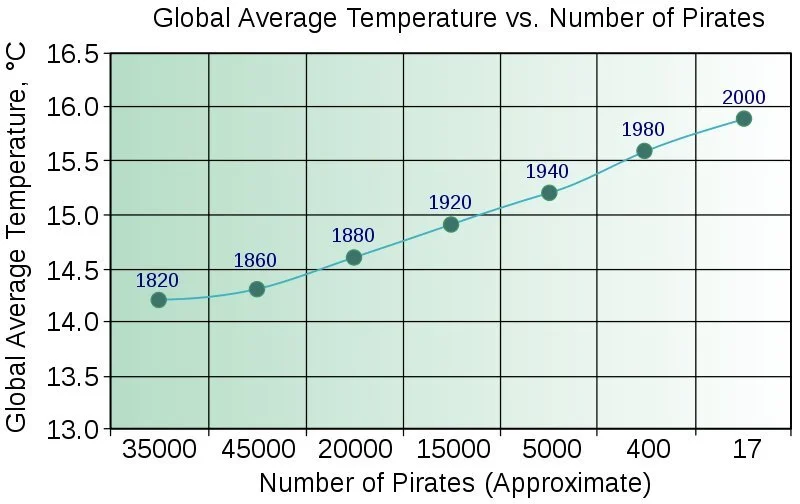
Interpreting Scientific Figures and Statistics
Data visualizations can be powerful tools for communicating science. But careless or incorrect figures can misrepresent data and mislead the public. If you look out for a few common errors, you can be a savvier consumer of data visualizations.
Check out the factsheet I wrote for the American Society of Human Genetics: Interpreting Scientific Figures and Statistics.
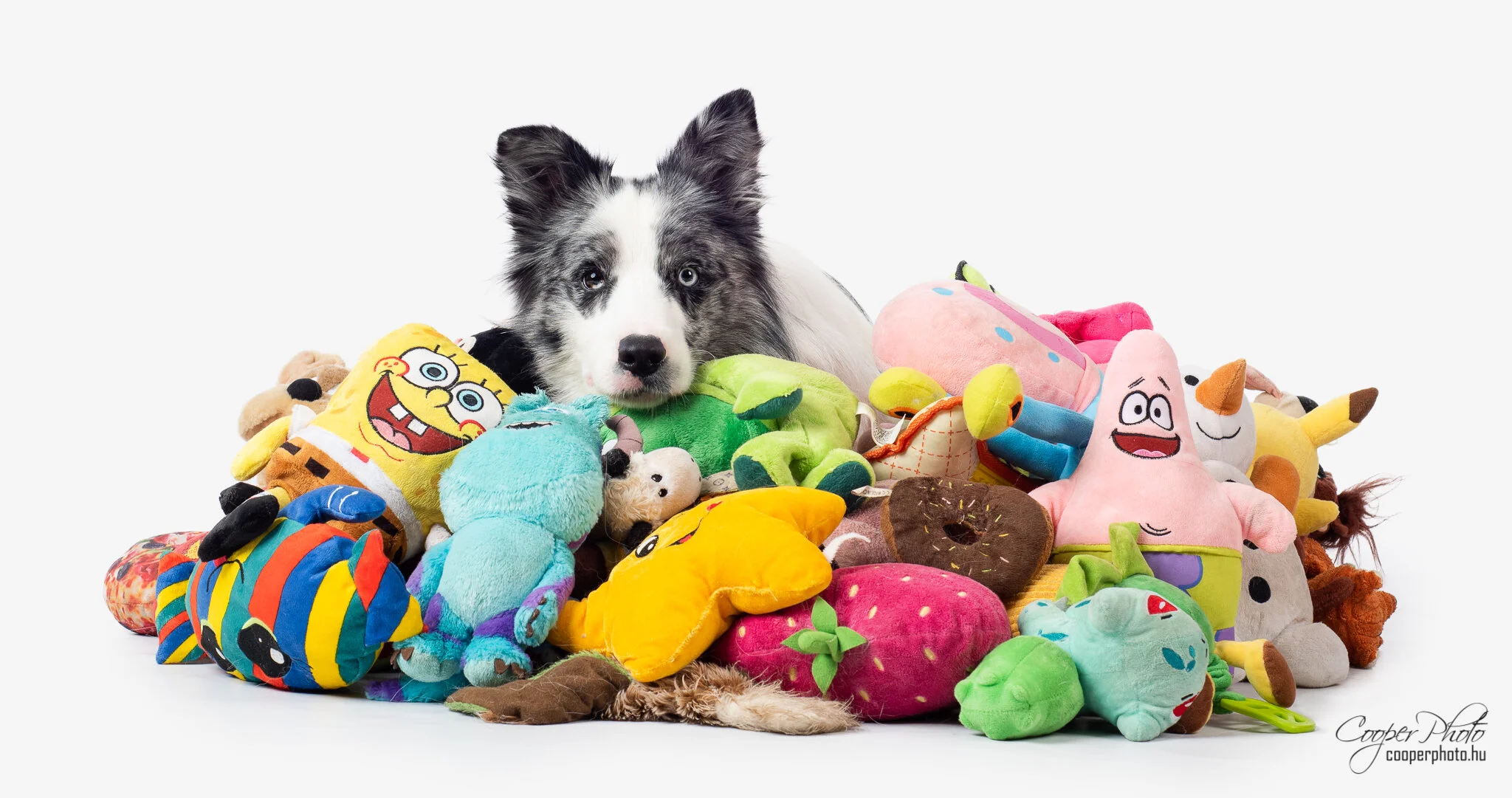
Dog Geniuses
Every dog is a good boy or girl. But it turns out that a few of them may also be geniuses. According to a new study, some uniquely gifted dogs are capable of learning up to 12 new toy names in just one week — and remembering the new names for at least two months. The tests were part of the Genius Dog Challenge, a social media campaign aimed at locating more dogs with knowledge of object names.
Read the whole story at my Animal Minds blog: Are Some Dogs Geniuses at Learning Words?

Cannabidiol for Seizure Disorders
The results of a long-term open-label extension trial of plant-derived, highly purified cannabidiol show the treatment is effective and safe for patients with Lennox-Gastaut syndrome, an often treatment-resistant seizure disorder. The treatment had a similar safety profile as in the original randomized controlled trials and resulted in a drop in seizure frequency for up to 156 weeks.
Read more at Pediatrics Nationwide: Long-Term Follow-Up Study Shows Cannabidiol is Safe and Effective for Lennox-Gastaut Syndrome.
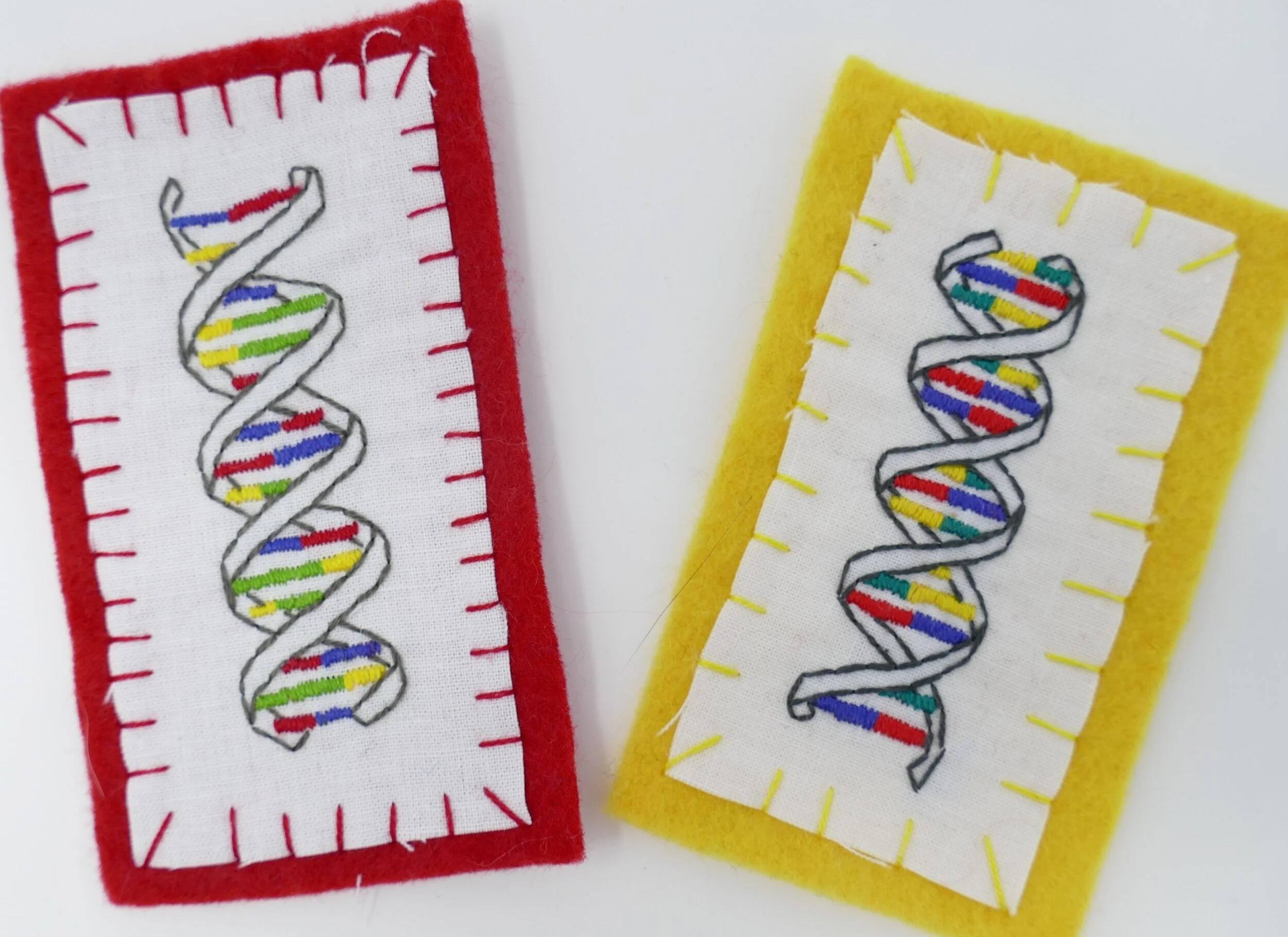
Genetics Research Across the National Institutes of Health
Human genetics and genomics research is foundational to the work done on human health across the National Institutes of Health (NIH). The wide-ranging impacts of ever-improving genomics knowledge and tools are increasingly noticeable in biomedical research, healthcare, and society.
See my latest factsheet for the American Society for Human Genetics: Human Genetics and Genomics Research Across the NIH.
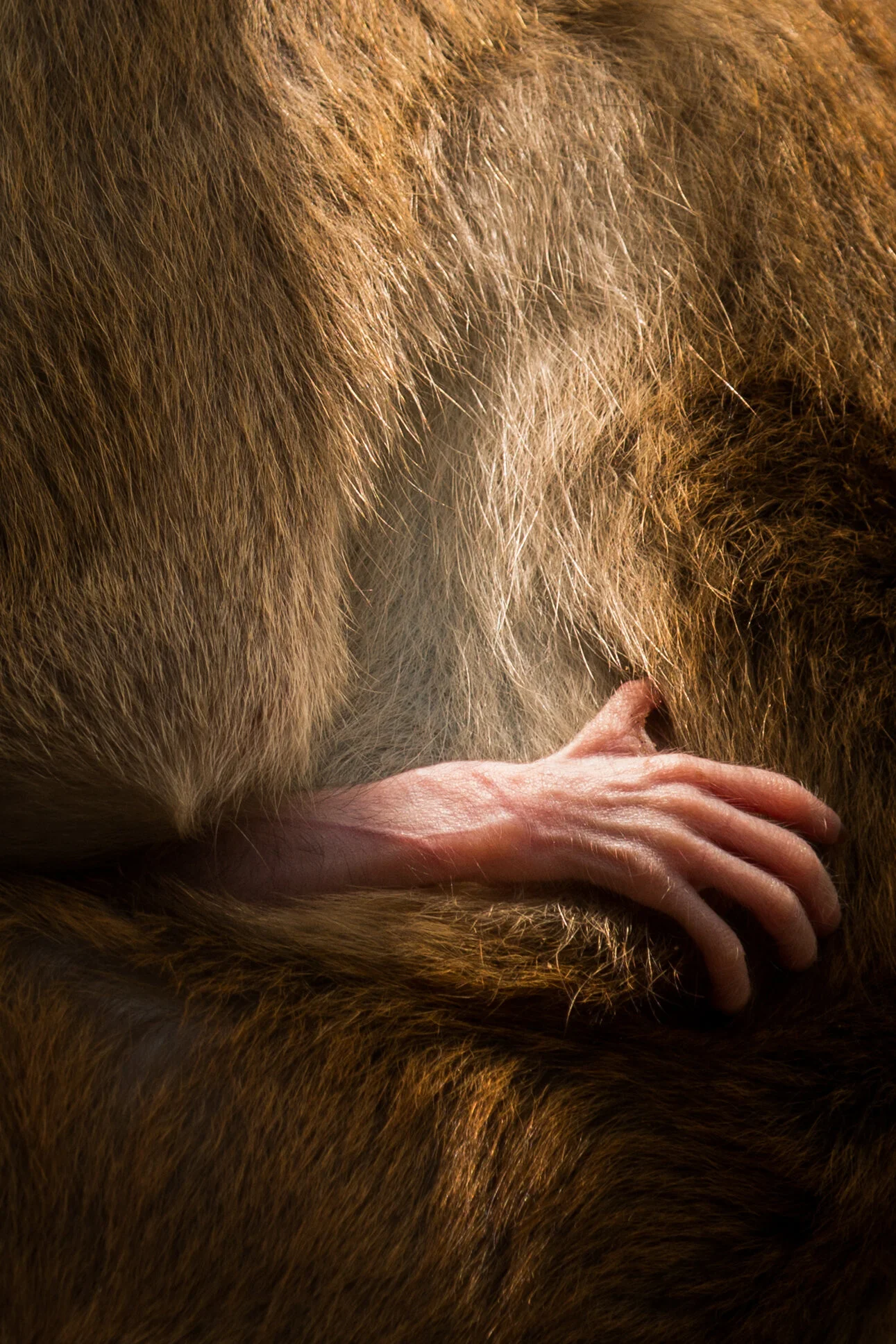
Grief in Nonhuman Animals
According to a new study, some primate mothers appear to express grief over the death of an infant by carrying the corpse with them, sometimes for days or weeks. In the largest study of its kind, researchers from University College London compiled data from anecdotes reported in 126 scientific publications in order to quantitatively analyze infant corpse carrying behavior among primate species. The findings have implications for our understanding of how other animals experience emotion and even for the evolution of human practices around death and mourning.
Read more at my Animal Minds blog: Why Do Some Primate Mothers Carry Their Dead Infants?