
I’m a science writer with an interest in the brains and behavior of humans and other animals.
Latest Posts

Mailing List
To receive email notifications of new posts, add your address to the mailing list by clicking here.

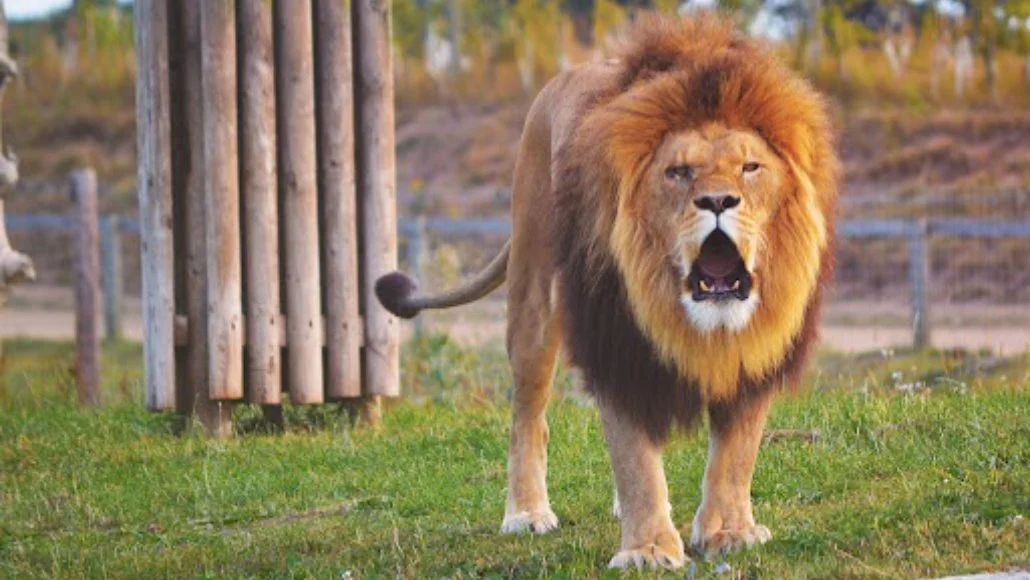
It’s a noisy world, and scientists are listening! Bioacoustics — studying animals through the sounds they make — is becoming a powerful tool in wildlife conservation. From jungles to oceans, conservationists are eavesdropping on the calls of the wild to learn about and protect endangered species.
Read my article on research projects involving big cats, rare primates, and marine mammals at Science News Explores: Calls of the wild offer sound guidance for protecting animals.
Advances in early detection and personalized treatments have led to improvements in quality of life and survival rates for many cancers. However, cancer detection and monitoring traditionally rely on tissue biopsies, which are invasive, potentially risky, not appropriate for all cancers, and often unable to capture the full heterogeneity of genetic mutations within a tumor.
Liquid biopsies are less invasive and more informative than standard tissue biopsies, with the potential to detect tumors at their earliest stages, track cancer in real time, and underpin targeted and adaptive treatment strategies.
Read more at IEEE Pulse: Liquid and Synthetic Biopsies are Poised to Rewrite Cancer Care.
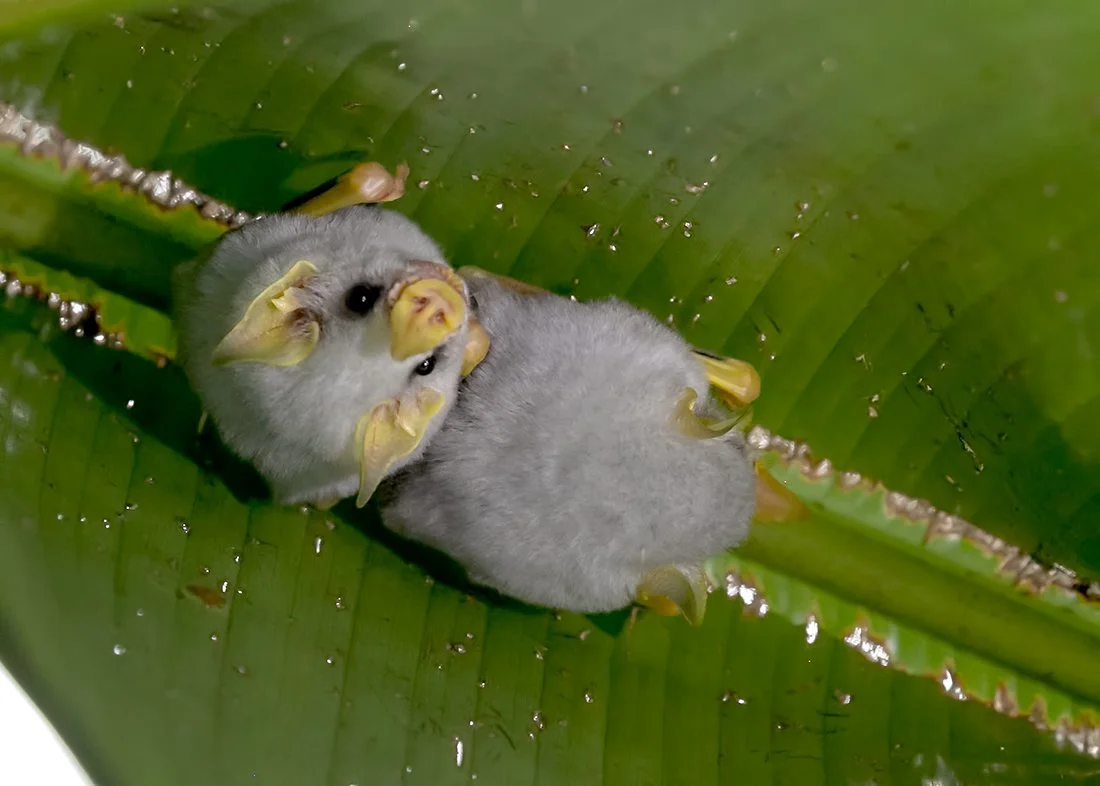
In the tropical forests of Central and South America, skilled architects create intricate structures without the help of blueprints, tools, or even hands. Using only their teeth and claws, certain bats can fashion leaves into cozy tents.
Read my article on the National Geographic Explorers studying tent-making bats: These Bats Make Intricate Tents Out of Leaves.
To receive email notifications of new posts, add your address to the mailing list by clicking here.