

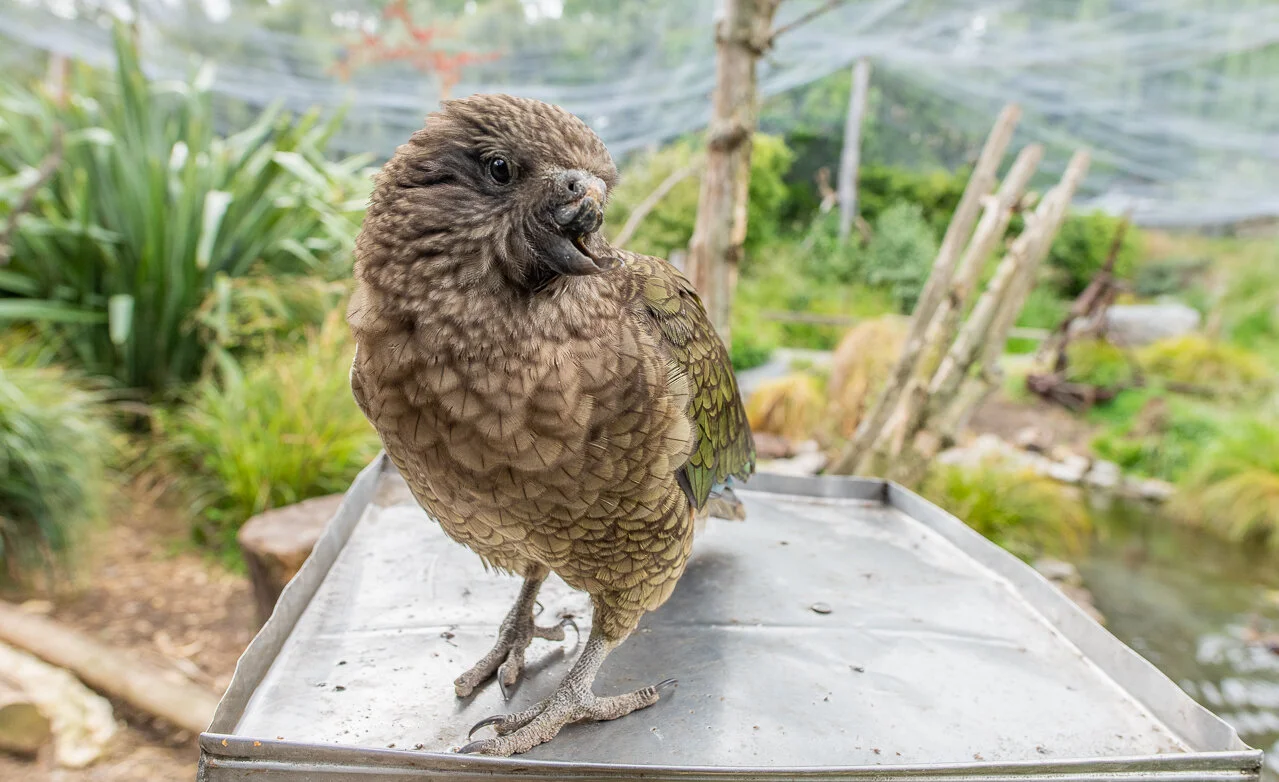
This Disabled Parrot Invented a Way to Preen Himself
Bruce is a kea (Nestor notabilis), a species of alpine parrot native to New Zealand. He’s eight years old and lives at the Willowbank Wildlife Reserve in Christchurch. What sets him apart from the other kea in that aviary is his disability: Bruce lost his upper bill in an accident when he was young.
Remarkably, this does not stop him from looking his best. Bruce uses small pebbles to preen himself. In a recent paper, researchers described and quantified observations of Bruce and other non-disabled kea. They concluded that Bruce’s flexible, deliberate, and context-appropriate behavior represents an ingenious solution to his lack of bill, as well as reflecting his species’ knack for innovation and problem-solving.
Read more at my Animal Minds blog: This Disabled Parrot Invented a Way to Preen Himself.
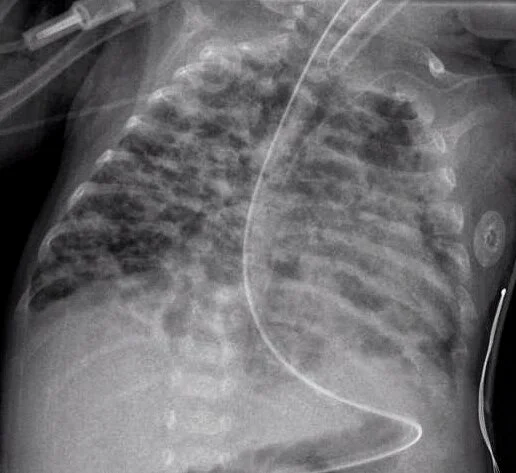
Improving Survival for Premature Babies
In a new study, researchers analyzed the in-hospital outcomes for preterm infants with established bronchopulmonary dysplasia (BPD) referred to Nationwide Children’s Comprehensive Center for BPD. They found that despite the high degree of illness severity in these patients, nearly all of them survived to hospital discharge with improvement in comorbidities.
Read more: Specialized Treatment for Severe Bronchopulmonary Dysplasia Increases Survival.

Dung Beetles and Light Pollution
Dung beetles use the light from the Milky Way to keep rolling their balls of dung in a straight line. What happens when this star compass is degraded by light pollution from nearby cities? And what does it mean for other nocturnal animals that look to the sky to navigate?
Read my latest Animal Minds blog post: Light Pollution Leads Dung Beetles Astray.

Role of the Gut Microbiome in Brain Disorders
Only ten years ago, the idea that bacteria in your gut could affect your brain and behavior was seen as a fringe theory. But today, it is well-established that the trillions of microbes in the gastrointestinal tract—collectively known as the gut microbiome—profoundly influence the brain. Now, researchers are working to harness the power of the gut microbiome to develop new treatments for brain disorders.
Read more at IEEE Pulse: Targeting the Gut to Treat the Brain.

Giraffes’ Highly Complex Social Lives
In a new paper, researchers from the University of Bristol reviewed over 400 research papers and collected all the information available on giraffe behavior and social organization. The evidence they found paints a picture of an animal with a highly complex social system, potentially comparable to that of elephants, chimpanzees, and dolphins.
Read more at my Animal Minds blog: Giraffes May Be as Socially Complex as Orcas and Elephants.