


If You Give a Monkey an Onion…
Researchers coin the term “social medication” to describe social anointing in capuchin monkeys. The behavior, in which the animals vigorously rub smelly substances into their own fur and onto the bodies of others, appears to have both medicinal and social functions.
Read more at my Animal Minds blog: Why Do Monkeys Rub Themselves, and Others, with Onions?

Rats are Pollinators, Too
Birds do it. Bees do it. Even city rats do it. I’m talking about pollination, of course. A new study shows that city rats eat the feijoa plant’s flowers and may end up pollinating the plants along the way.
Read more at my Animal Minds blog: Rats are Pollinators, Too.

Sexy Symmetry
For females of many species, choosing a mate is a weighty decision. You want your offspring to inherit the best possible genes. But how do you judge the genetic quality of a potential mate? In a new paper, researchers tested female preference for symmetric males in fruit flies— with a few key innovations.
Read the whole story at The Scientist: The Sex Appeal of Symmetric Songs.

Two New Pediatrics Stories
I have two new articles published at Pediatrics Nationwide:
A multicenter analysis of nearly 50 pediatric hospitals showed that newborns are commonly treated with nephrotoxic medications and, troublingly, the prevalence of acute kidney injury is higher in newborns treated with these drugs. The authors say the findings demonstrate the need for initiatives to reduce nephrotoxic medication exposure in very young infants. Read the story here: Nephrotoxic Medications in the NICU.
With advances in chemotherapy and radiation, more children are surviving cancer and entering adulthood. However, a potential consequence of such treatments is fertility impairment. The fertility program at Nationwide Children’s was established in 2015. In 2018, Nationwide Children’s hired a full-time fertility navigator, a certified pediatric nurse practitioner with a background in oncology and training in oncofertility. Read the story here: Fertility Navigators Support Important Consultations in Pediatric Settings.
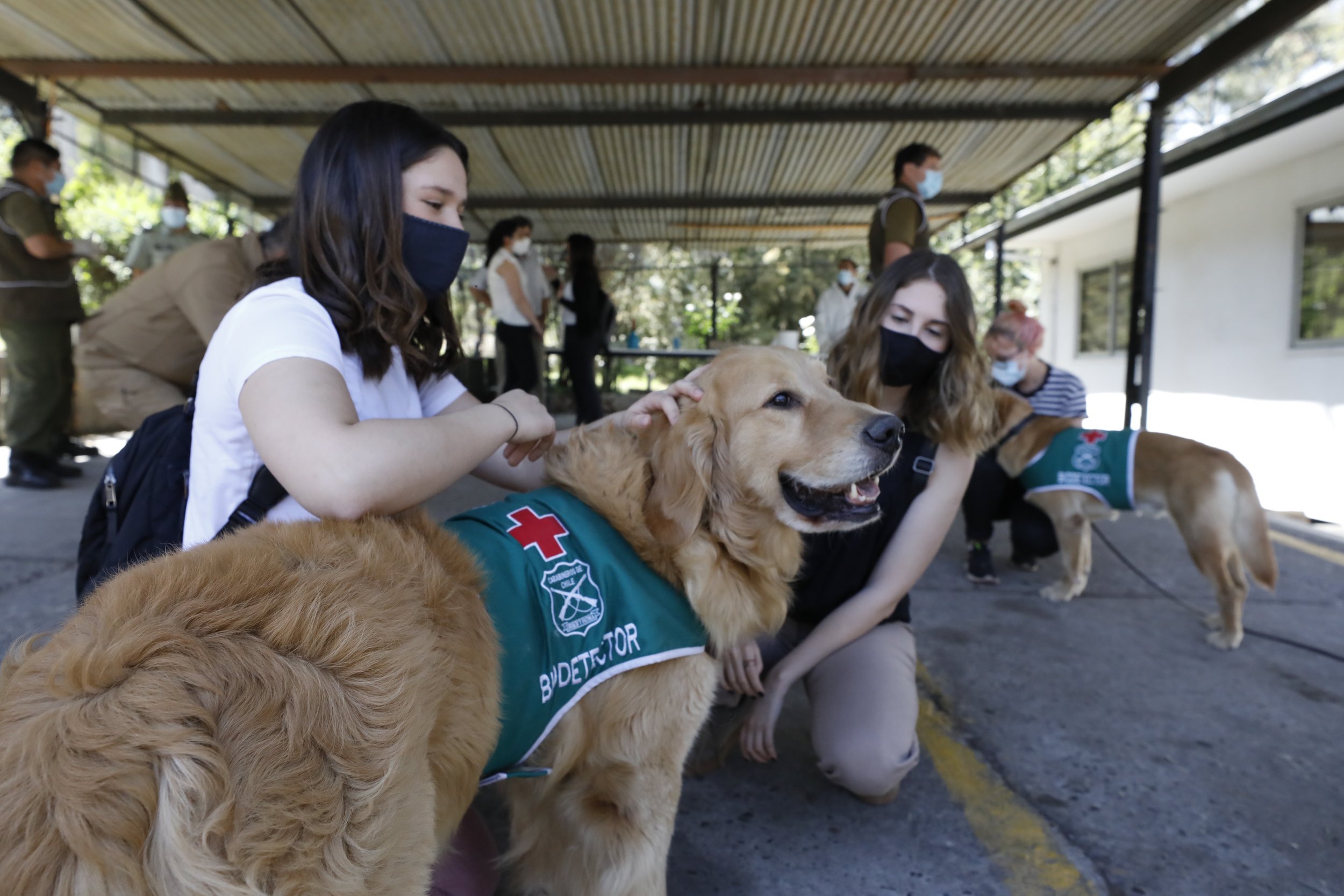
Doctor Dog
The first report of a dog alerting its owner of disease, published in 1989, described a dog that persistently sniffed and bit at a mole on its owner’s leg, which turned out to be a melanoma. That raised the idea that cancer, and other diseases, might be detectable by smell, and that dogs could be used as diagnostic tools. In a new review paper, researchers evaluated studies where dogs were used to detect diseases affecting humans, other animals, and plants. Dogs show potential for disease detection but more research is needed to understand how and where they could most effectively be deployed.
Read the whole story at my Animal Minds blog: Can Dogs Sniff Out Disease?