


Neurogenetics
Improvements in sequencing technology and other genetic tools have enabled the identification of genes involved in many brain disorders and provided new insights into their role in disease. These advances, along with recent breakthroughs in gene therapy, have already translated research discoveries into treatments for previously incurable diseases.
Learn more in this fact sheet for the American Society of Human Genetics: Neurogenetics.

Diabetes Distress in Adolescents
Adolescents with type 1 diabetes are more likely to experience depression than their peers without diabetes, and symptoms of depression can directly impact adherence to diabetes care. Thus, both the American Diabetes Association and International Society for Pediatric and Adolescent Diabetes recommend annual routine depression screening. But does depression or diabetes distress - a new term to describe negative reactions and emotions stemming from having a diabetes diagnosis - better predict glycemic control?
Read the whole story at Pediatrics Nationwide: Diabetes Distress Associated with Poor Glycemic Control in Adolescents with Diabetes.
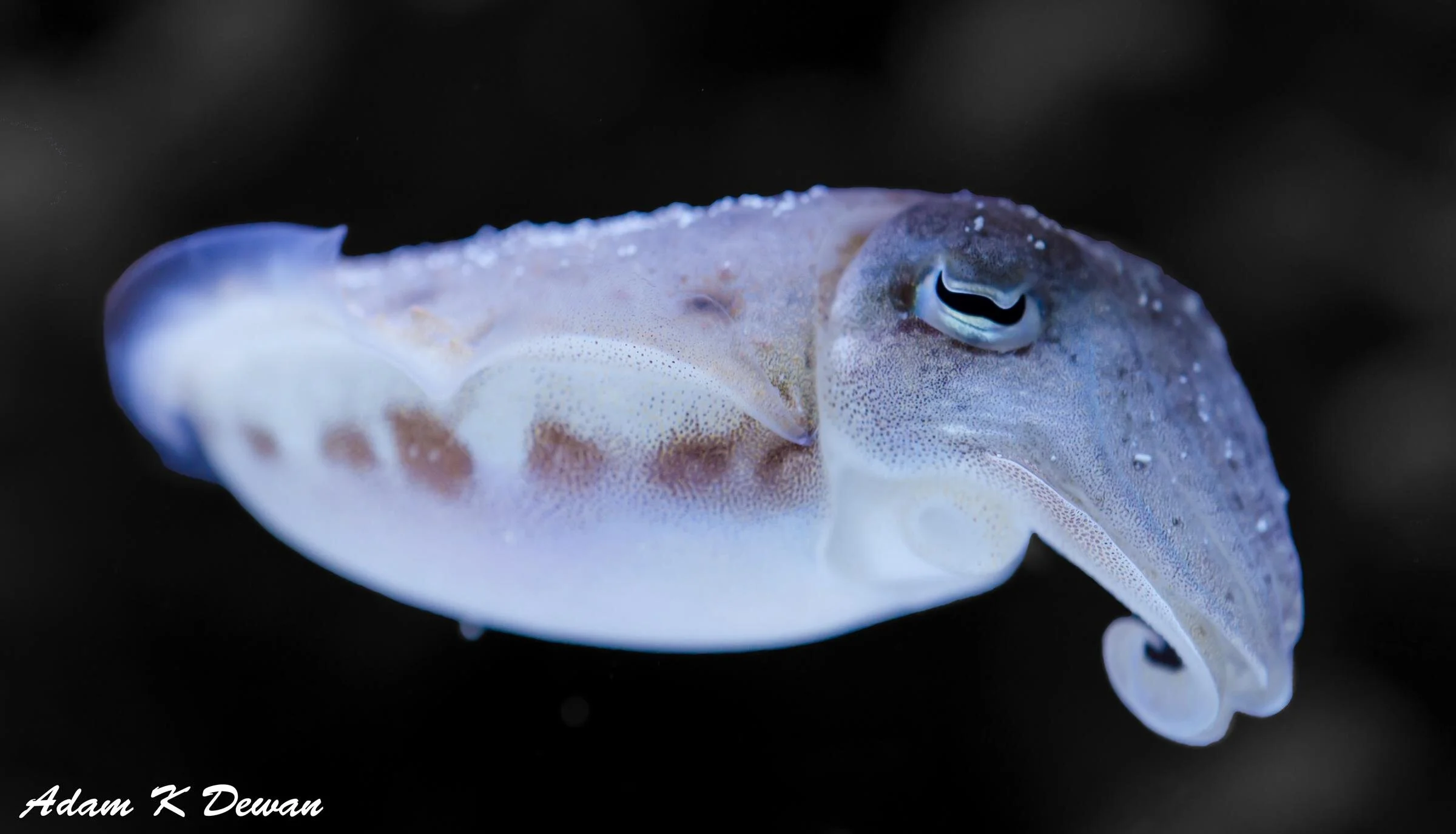
How Cuttlefish Think Outside of the Brain
New research shows that neurons in the arms of cuttlefish demonstrate evidence of learning and memory, independent of their main brain.
Read about it at my Animal Minds blog: How Cuttlefish Think Outside of the Brain.

Hyena Social Inheritance
Using 27 years of detailed observations of spotted hyena social interactions, researchers uncovered a pattern of social network inheritance between mothers and offspring. The findings shed light on how relationships are formed and maintained and have implications for social structure, rank, and survival.
Read more at my Animal Minds blog: Hyenas Inherit Their Moms’ Social Connections.

Fighting COVID-19 With Lung-Chips
The novel coronavirus is a new kind of enemy. Now, the United States Army has added a cutting-edge tool to its arsenal to better understand this threat: “organs-on-chips” that recapitulate the microarchitecture and function of living human lungs. Army scientists are conducting research with the Lung-Chips to observe intracellular interactions and gain insight into the role of proteins within human lung cells exposed to the virus.
Read the story at IEEE Pulse: Fighting COVID-19 With Lung-Chips.