

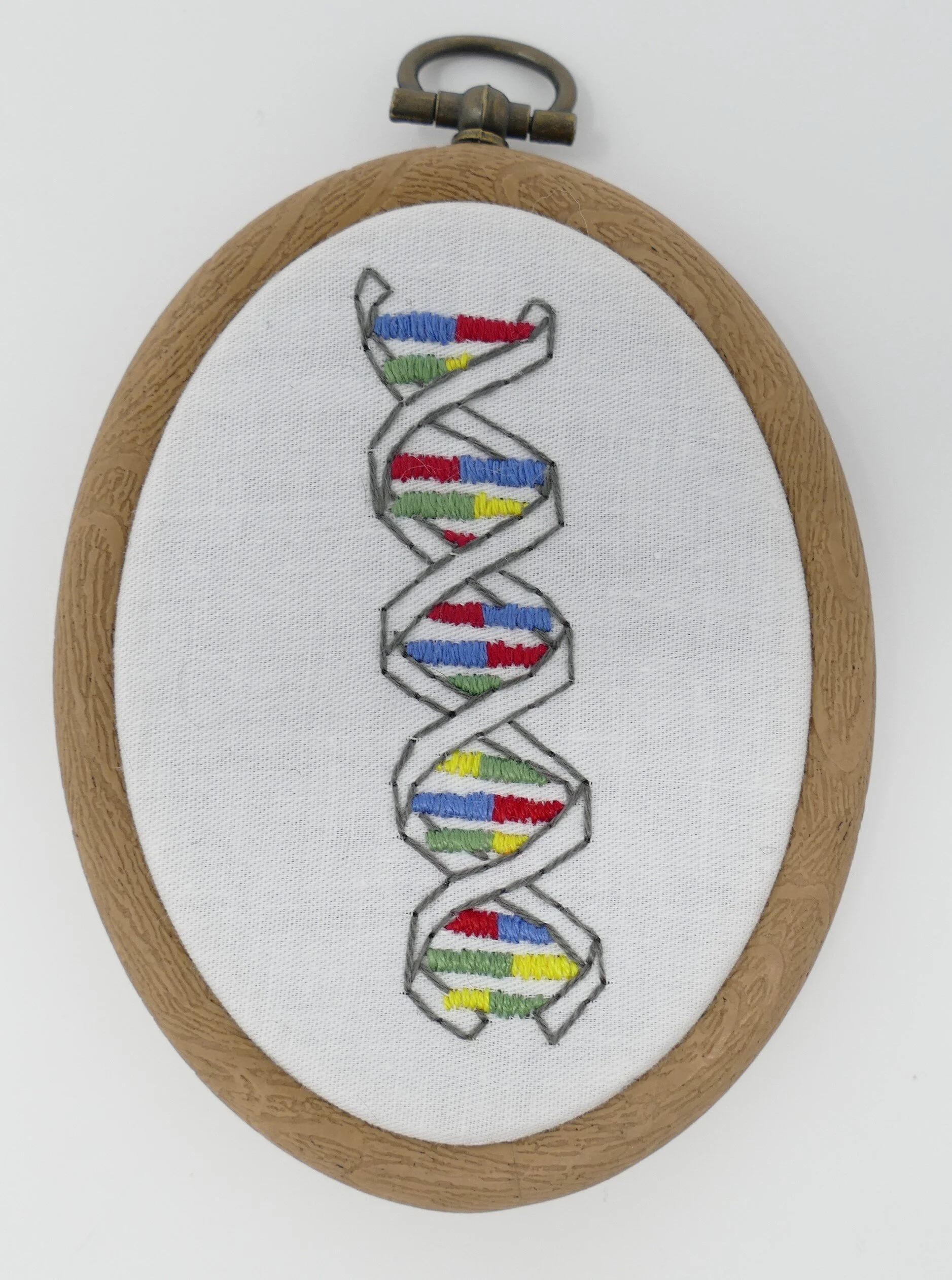
Lack of Diversity in Genetic Research Hurts Us All
Overall, humans are remarkably similar at the genomic level; two unrelated people share about 99.9 percent of their DNA sequences. But the small percentage that does differ can hold important genetic clues about our traits and health.
Genome-wide association studies (GWAS) can be a valuable tool for identifying genetic variants involved in disease. Yet, 78 percent of data used in GWAS comes from people of European descent, even though they make up only 16 percent of the global population. As a result, other ethnicities are vastly under-represented in genomic research. For instance, African, African-American, and Latinx populations account for just four percent of GWAS participants.
Read the new fact sheet from the American Society of Human Genetics: The Benefits of Population Representation in Genetics Research.

Sharpshooting Archerfish
Archerfish spit jets of water to dislodge insects and other small animals resting on twigs or leaves above the water’s surface. New analyses of high-speed video reveal that precisely timed fin movements are needed to stabilize the shooter against recoil during the release of the water jet. Researchers say it’s just one of the many behavioral adaptations that make this fish unique.
Read more on my Animal Minds blog: The Underwater Sharpshooter.

What Can We Learn from a Monkey Water Park?
A new report describes social aquatic play, including swimming and diving, among young rhesus macaques. Researchers say it could teach us a lot about the functions - and long-term effects - of social play, both in monkeys and human children.
Read the post at my Animal Minds blog: What Can We Learn from a Monkey Water Park?
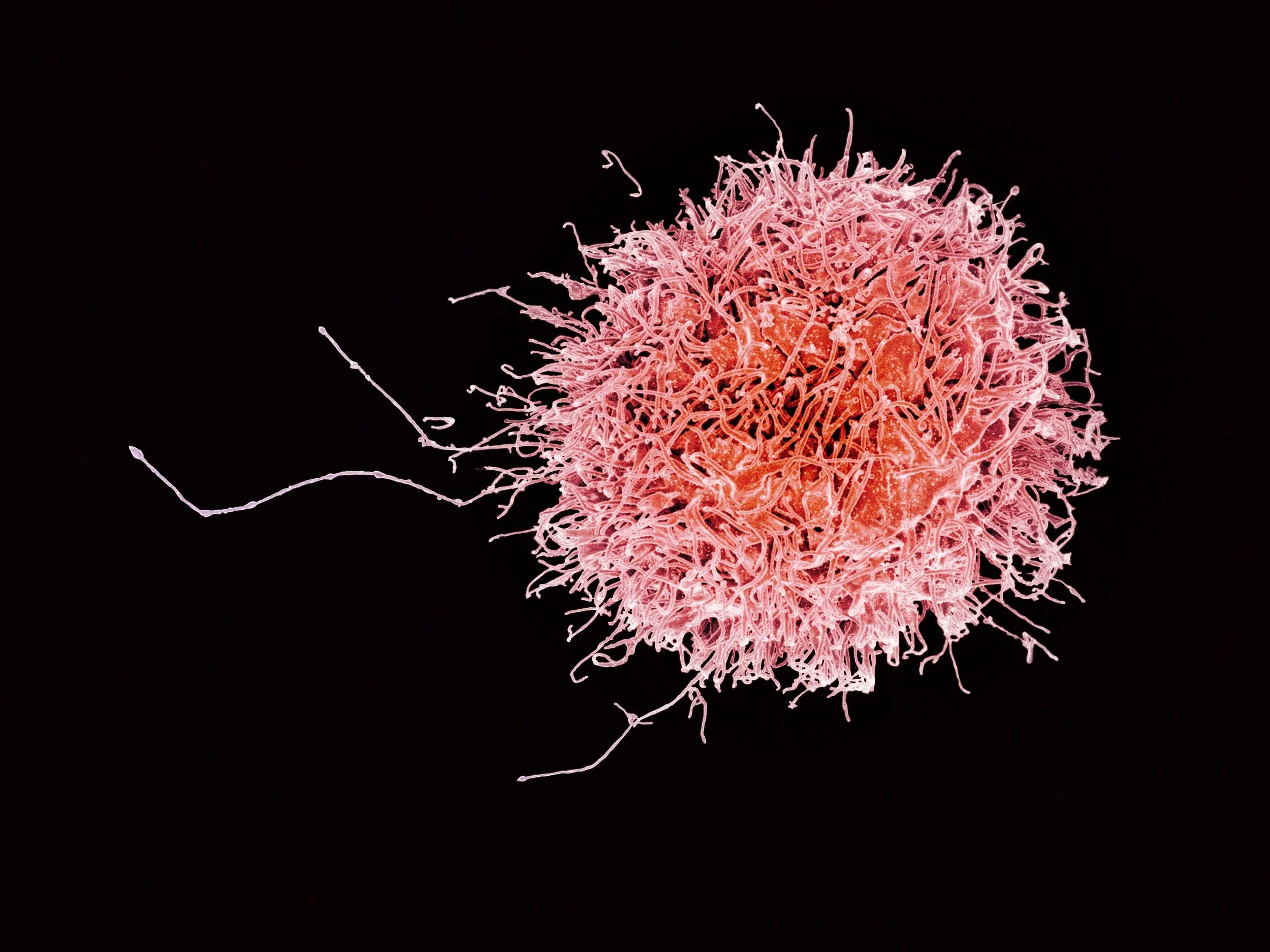
Engineering Immune Cells
In a new proof-of-concept study, researchers from Nationwide Children’s Hospital used CRISPR/Cas9 technology to genetically modify natural killer immune cells, which they then showed are able to address a recognized hurdle in immunotherapy of multiple myeloma.
Read the story at Pediatrics Nationwide: Modifying NK Cells With CRISPR/Cas9.
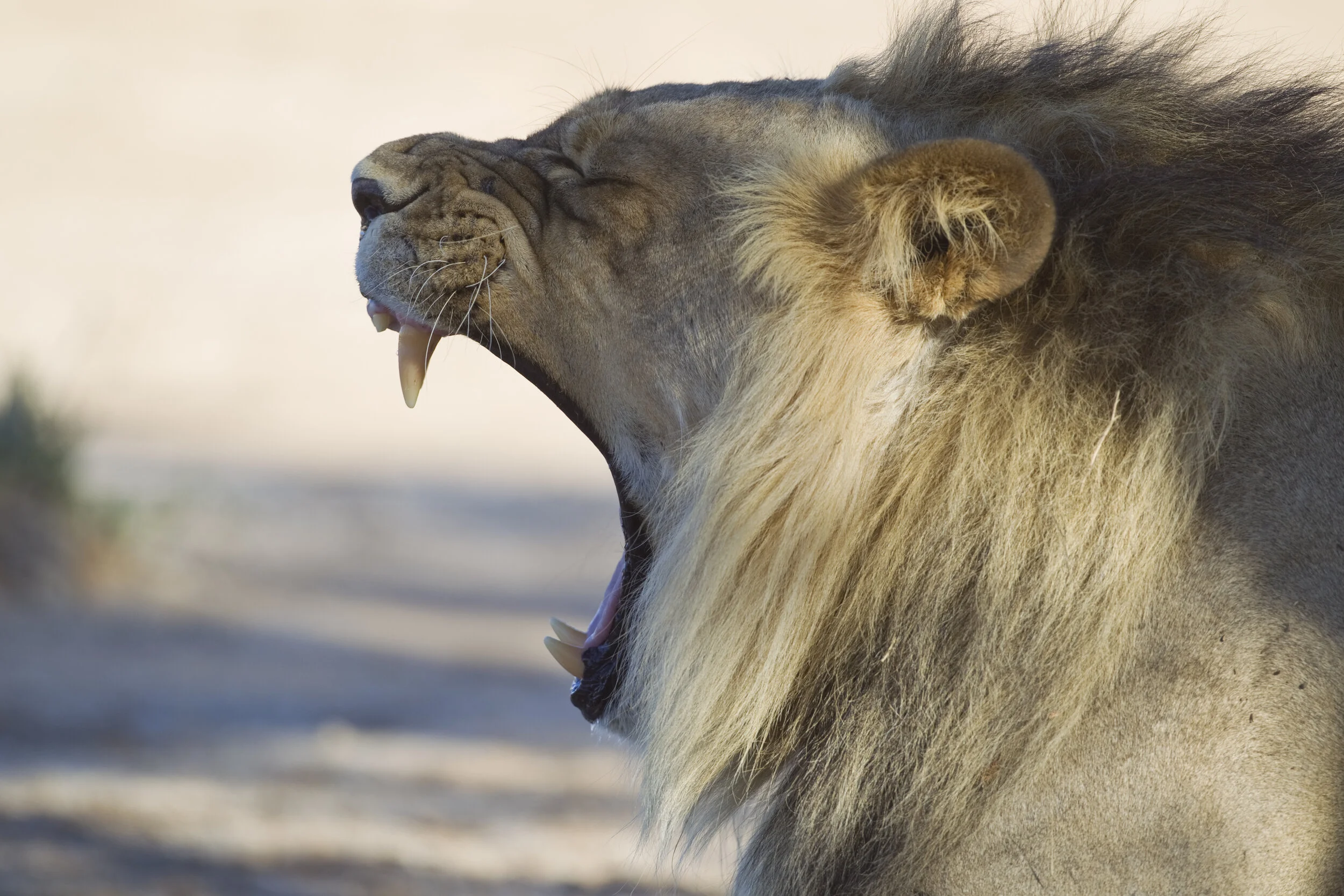
Why are Yawns Contagious?
Yawning is an instantly recognizable behavior found among most vertebrate animals. But there is still a lot that scientists do not know about this seemingly simple phenomenon, including why we can catch yawns from others.
In a new study, researchers investigated the potential functions of contagious yawning by observing groups of lions in the wild. They found that, after being “infected” by others’ yawns, lions tended to coordinate their motor actions. The results suggest that yawn contagion acts to synchronize group activity and help facilitate coordinated behavior.
Read the whole story at National Geographic: Many mammals are contagious yawners - this might be why.