

Rare Diseases
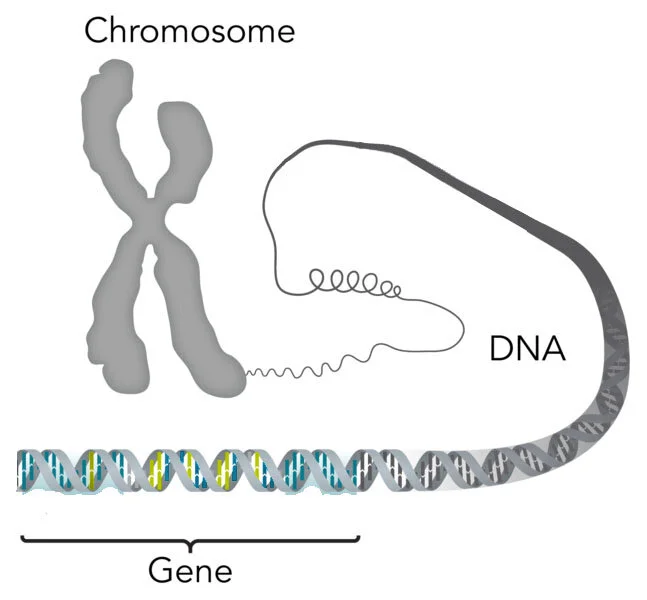
It is estimated that there are around 7,000 rare diseases, although the number could be as high as 10,000. Almost one in ten Americans has a rare disease, underscoring the fact that these diseases are individually rare, but collectively common.
I recently wrote a factsheet for the American Society for Human Genetics on rare diseases, the majority of which have a genetic basis. Take a look: Rare Diseases Factsheet.
Manta Ray ‘Fin Language’
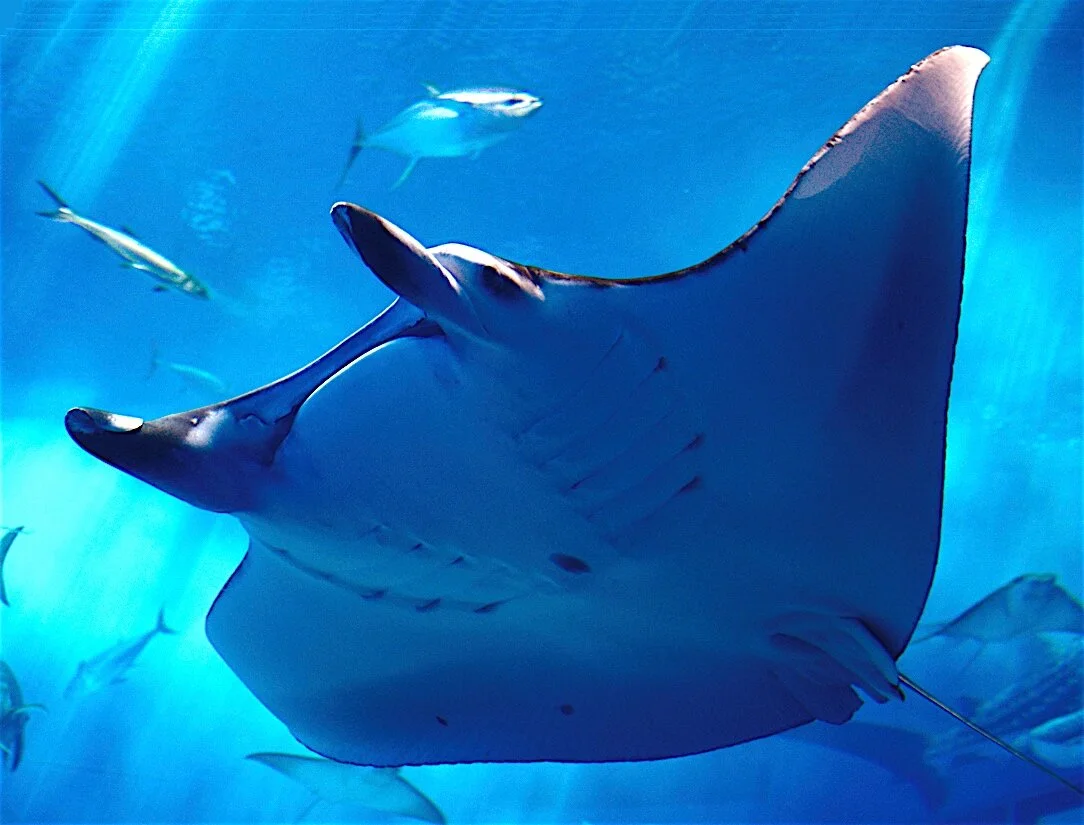
New research documents manta rays moving their cephalic lobes — the modified fins on either side of their mouths — during social interactions with cleaner fish, one another, and human divers. The study suggests that cephalic lobe movements may play a role in gestural communication, as well as in feeding.
Read more at my Animal Minds blog: Manta Ray ‘Fin Language.’
Social Distancing in the Animal Kingdom
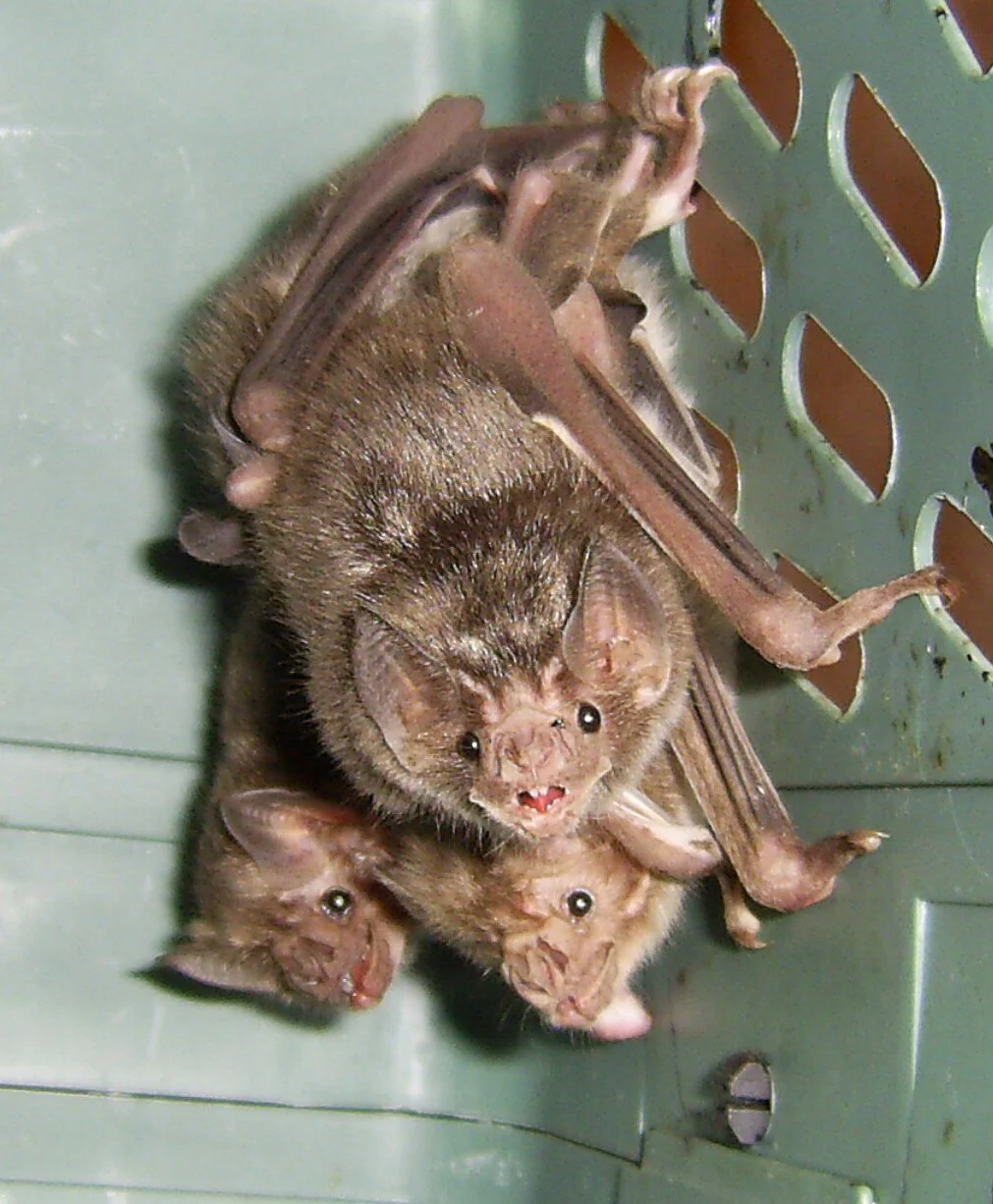
It’s been about a year since the phrase “social distancing” quickly entered our collective vocabulary. But it’s not a new concept. In a recent review, researchers examined various forms of social distancing practiced in the animal kingdom. It turns out that infection can change social behavior in a range of species. Understanding these social dynamics can shed light on processes like how diseases spread, as well as model ways to prevent disease transmission.
Read more at my Animal Minds blog: Social Distancing in Nature.

Breaching Basking Sharks
If you’ve caught any “Shark Week” documentaries over the last few years, you’ve probably seen footage of massive great white sharks leaping out of the water to ambush prey. But great whites aren’t the only giant fish to show off in this way. It turns out that another shark species engages in just-as-impressive breaching behavior — and it is likely for very different reasons.
Read my latest Animal Minds post: Why Do These Giant Sharks Leap Out of the Water?

Everyday Mind Control
Brain–computer interface (BCI) technology holds promise for providing functional support systems for people with neurological disorders and other disabilities. In experimental laboratory settings, BCIs have allowed patients to communicate with researchers and control external devices—all by simply imagining the actions of different body parts.
Now, a new and improved non-invasive BCI holds promise - for enriching the lives of disabled patients and maybe beyond. The inventor of the device envisions a future in which everyone can use BCIs as assistive devices, much like smartphones.
Read my article at IEEE Pulse: A Step Closer to Mind Control for Everyday Life.