


Insights into Nursing and Weaning from Whale Teeth
A century of commercial whaling across the North Atlantic cut a swath through the population of northern bottlenose whales (Hyperoodon ampullatus). Now, samples collected from whaling expeditions are actually helping scientists learn more about these elusive animals and work towards their conservation.
Read the post at my Animal Minds blog: Insights into Nursing and Weaning from Whale Teeth.

Biometrics in Sports
Athletes—and the cadre of professionals who surround them—are always looking for an edge over their opponents. Advances in technology have now made a whole new class of information readily available to athletes, coaches, trainers, and even fans. It’s called biometrics, the science of measuring and analyzing data collected from the body, such as heart rate or hormone levels.
Read the whole story at IEEE Pulse: The Rise of Biometrics in Sports.

The Sharks That Hunt in Packs
At the southern end of Fakarava Atoll, a reserve in French Polynesia, is a narrow channel connecting the lagoon to the ocean. It is the hunting grounds of up to 900 reef sharks, including grey reef, whitetip reef, silvertip, and blacktip reef sharks.
Researchers studying this nearly pristine ecosystem recently documented a new phenomenon during their nighttime dives: The sharks hunt in packs.
Read the whole story at my Animal Minds blog: The Sharks That Hunt in Packs.
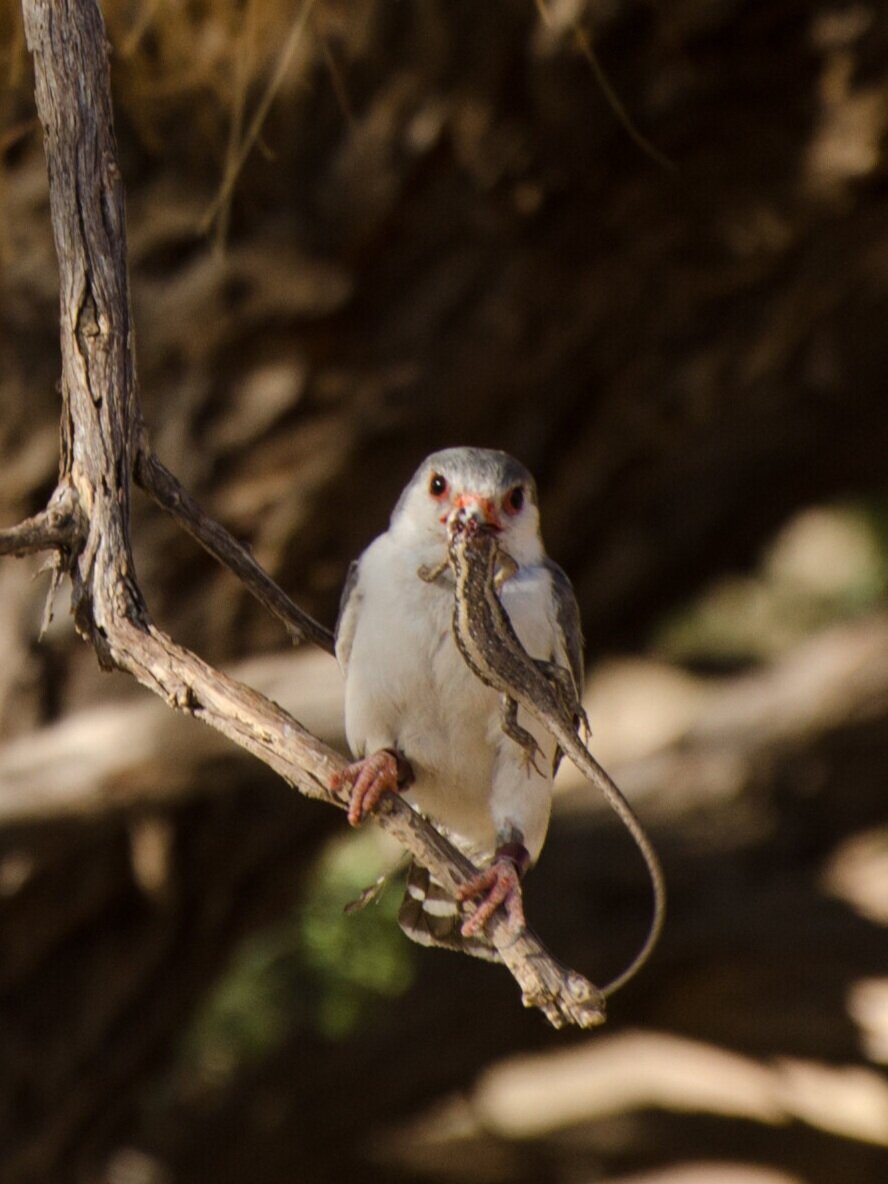
Skinks Avoid Danger by Eavesdropping on Bird Alarm Calls
The Kalahari tree skink gains a lot from associating with sociable weavers. These small birds build big communal nests that offer skinks increased opportunities for basking and foraging. However, weaver nests also house a major predator of skinks, the pygmy falcon. How do Kalahari tree skinks manage living next door to their predators? The answer appears to be by eavesdropping on their neighbors.
Read the whole story at my Animal Minds blog: Skinks Avoid Danger by Eavesdropping on Bird Alarm Calls.

Pain Resistance in Mole-Rats
Naked mole-rats are weird. Native to East Africa, they live underground in highly ordered and hierarchical colonies with a single breeding queen, more like ants or termites than mammals. Some of their most striking physiological adaptations include an extraordinarily long lifespan (30+ years), apparent resistance to cancer, and resistance to extremely low levels of oxygen and high levels of carbon dioxide.
But it turns out naked mole-rats are not completely alone; they come from a family of weirdos. In my latest Animal Minds post, I discuss what researchers have discovered about pain insensitivity in naked mole-rats and some of their close relatives.
Read the story here: Pain Insensitivity in Mole-Rats.