

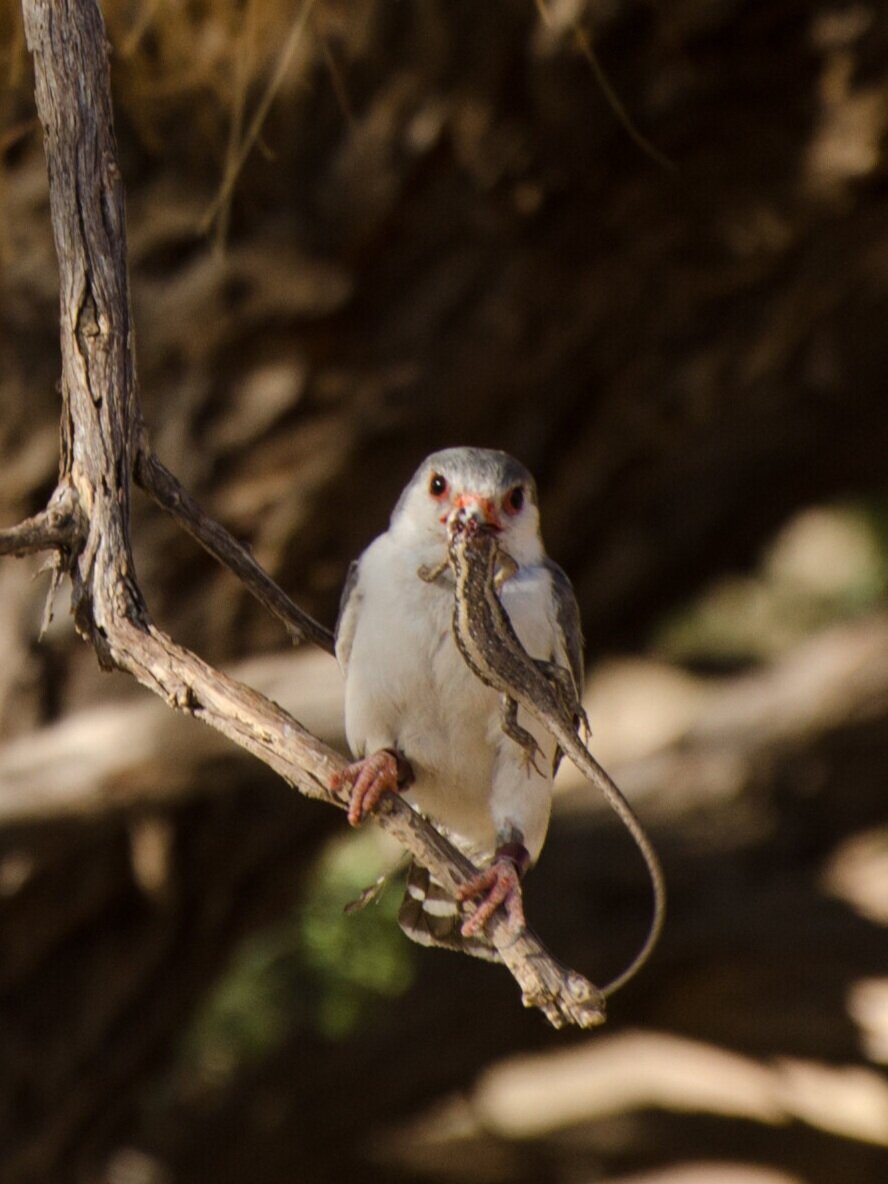
Skinks Avoid Danger by Eavesdropping on Bird Alarm Calls
The Kalahari tree skink gains a lot from associating with sociable weavers. These small birds build big communal nests that offer skinks increased opportunities for basking and foraging. However, weaver nests also house a major predator of skinks, the pygmy falcon. How do Kalahari tree skinks manage living next door to their predators? The answer appears to be by eavesdropping on their neighbors.
Read the whole story at my Animal Minds blog: Skinks Avoid Danger by Eavesdropping on Bird Alarm Calls.

Pain Resistance in Mole-Rats
Naked mole-rats are weird. Native to East Africa, they live underground in highly ordered and hierarchical colonies with a single breeding queen, more like ants or termites than mammals. Some of their most striking physiological adaptations include an extraordinarily long lifespan (30+ years), apparent resistance to cancer, and resistance to extremely low levels of oxygen and high levels of carbon dioxide.
But it turns out naked mole-rats are not completely alone; they come from a family of weirdos. In my latest Animal Minds post, I discuss what researchers have discovered about pain insensitivity in naked mole-rats and some of their close relatives.
Read the story here: Pain Insensitivity in Mole-Rats.

Ant First Responders
Did you know that some ants work as first responders? It's their job to rescue trapped colony mates. New research looks at the heritability of this specialization and shows that ‘once a rescuer, always a rescuer.’
Read the whole story at my Animal Minds blog: Ant Colonies Have Specialized First Responders.
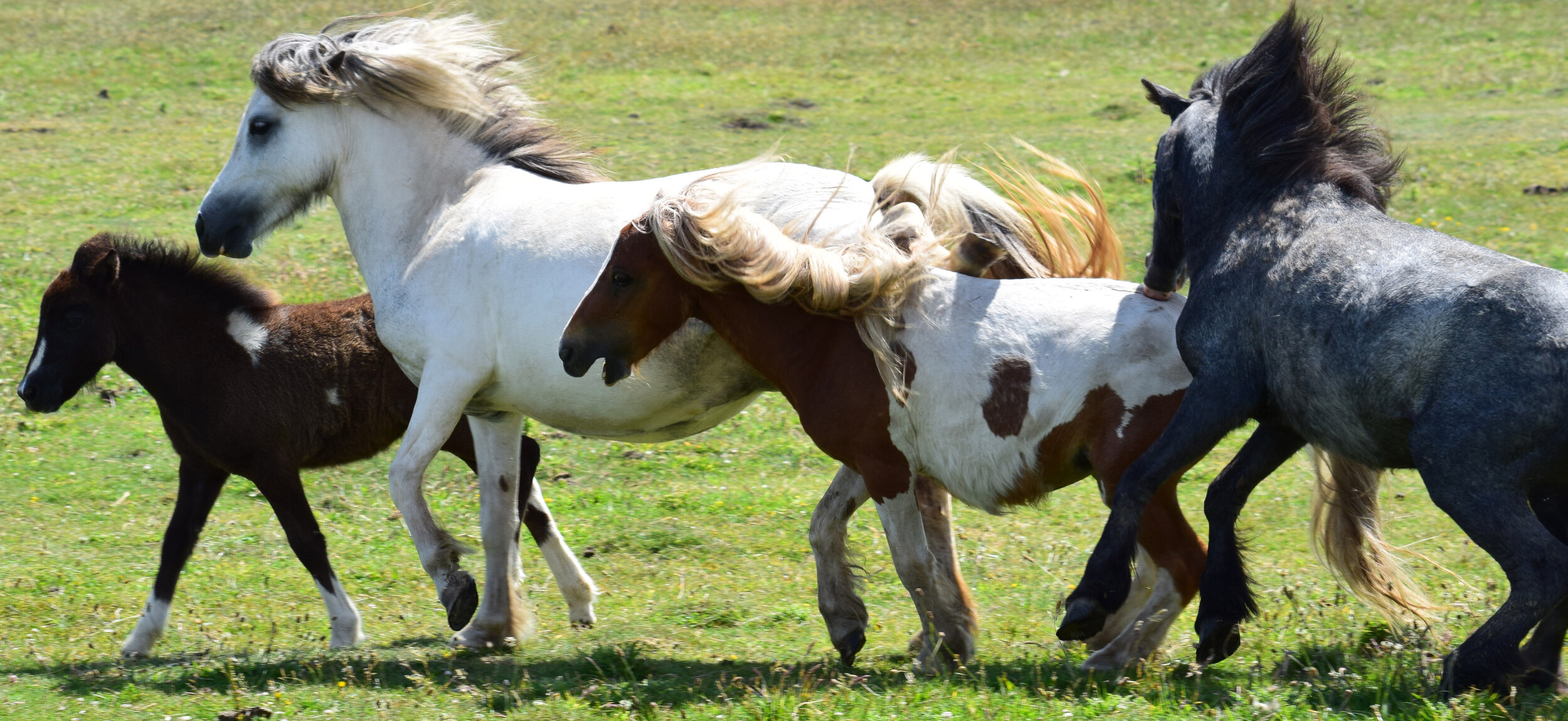
Horse Sense
Horses share a close relationship with humans in their daily lives. Domesticated over 5,500 years ago, they, like dogs, are attentive to humans and their behavior. Moreover, they are very social animals, living in large, stable groups in the wild. Thus, one would expect horses to have developed sophisticated social abilities to cope with the complex relationships they can form. Researchers recently put these abilities to the test.
Read about horses’ social sense at my Animal Minds blog: The Social Smarts of Horses.

Making Friends, The Vampire Bat Way
Vampire bats aren’t so different from humans in some ways. These long-lived and extremely social bats form close social relationships – bonds that in humans, we’d call friendships. However, vampire bat friendships are characterized by mutual tongue baths and regurgitated blood. Now, research shows how these friendships form. In a study published today, scientists report that vampire bats gradually build trust through social grooming. The results support a model of how cooperative relationships form that could also apply to human friendships.
Read the whole story at National Geographic: How Vampire Bat Friendship is Surprisingly Like Our Own.