

Gene Therapy for Rare Disorders
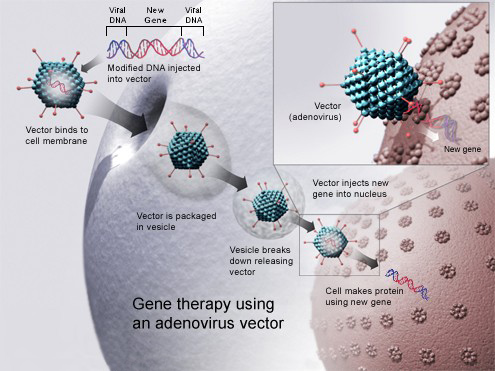
After decades of promise tempered by setbacks, gene therapies are nowbringing new treatment options for a variety of inherited and acquireddiseases.
Recently, clinical trials at the NIH Clinical Center and St. Jude Children’s Research Hospital have shown that gene therapy can safely correct the immune systems of children born without critical infection-fighting cells. These successes are the result of safety modifications and improvements in gene transfer efficiency and delivery fueled by basic science research. Now, as clinical progress in the field rapidly grows, gene therapies are beginning to benefit those with inherited immunodeficiencies, blood disorders, blindness, neuromuscular disease, and more.
Read my story at IEEE Pulse: Advances in Gene Therapy Offers Hope for Rare Disorders.
Empathy as a 'Danger Antenna' in Rats
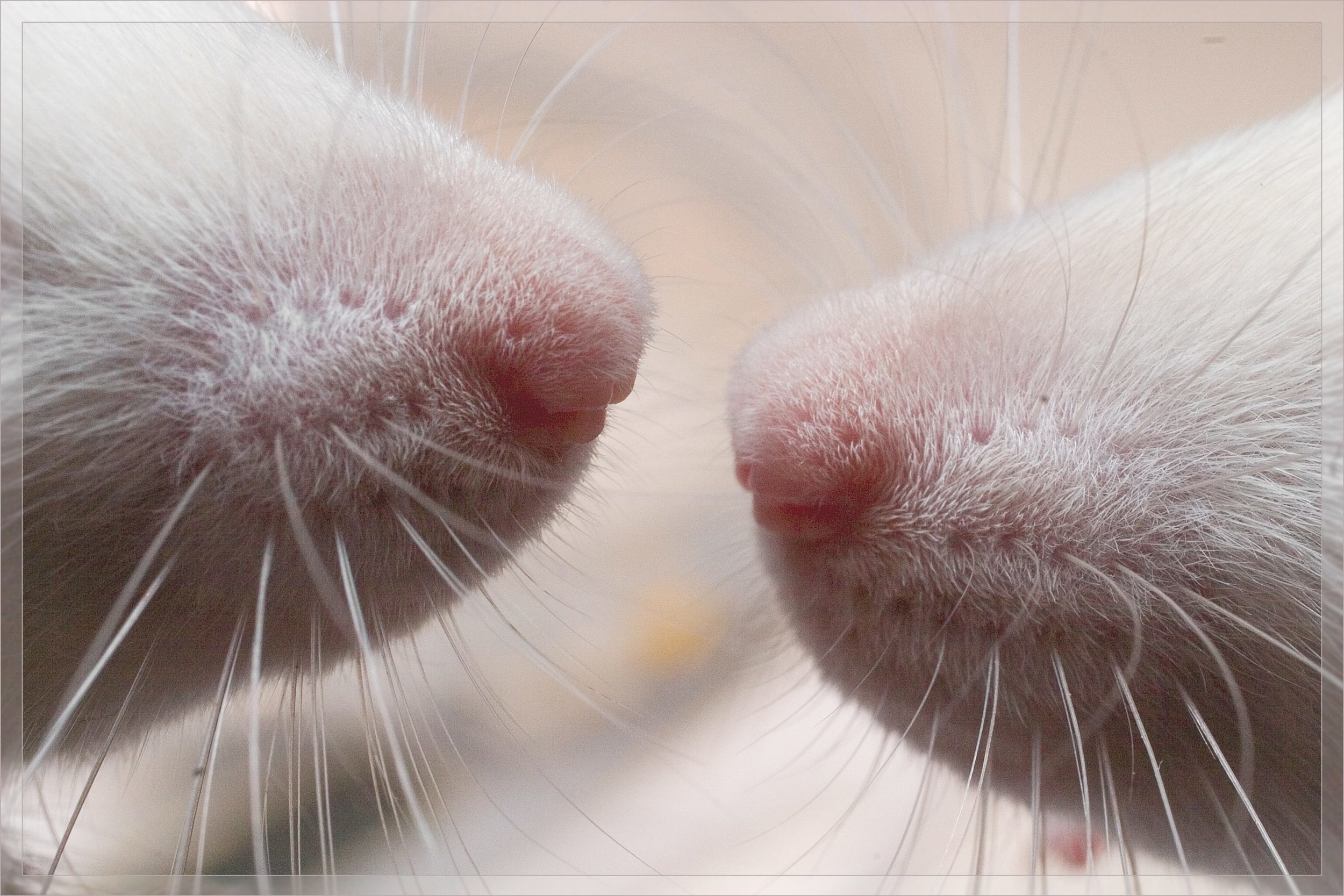
Rats are social animals, exquisitely attuned to the emotions of the rats around them. In a new study published in PLoS Biology, researchers from the Netherlands Institute for Neuroscience show that rats may use this sense of empathy as a way to gauge danger.
Read the whole story at my Animal Minds blog: Empathy as a 'Danger Antenna' in Rats.

A Major Milestone in Cystic Fibrosis Treatment
A Phase III clinical trial shows that elexacaftor added to ivacaftor and tezacaftor improves lung function and quality of life in cystic fibrosis patients with the most common genetic mutation, F508del. The triple therapy, known as Trikafta, could effectively treat 90 percent of people with cystic fibrosis.
Read the whole story at Pediatrics Nationwide: A Major Milestone in Cystic Fibrosis Treatment.

Delay of Gratification in Kids and Crows
One measure of self-control is the ability to delay gratification; namely, the ability to wait in order to obtain a more valuable outcome in the future over a less valuable immediate one. In children, the capacity to delay gratification develops between the ages of three and five years old. In a new study, researchers used a rotating tray apparatus that allowed them to test both three- to five-year-old children and New Caledonian crows.
Read my post about it on my Animal Minds blog: Delay of Gratification in Kids and Crows.

Vaping Guidelines
Centers for Disease Control (CDC), the Food and Drug Administration(FDA), state and local health departments, and public health andclinical partners are looking into a multistate outbreak of lung injuryassociated with the use of electronic cigarette (e-cigarette), orvaping, products.
Now, a report by a working group of experts offers guidance to health care providers caring for patients with EVALI (e-cigarette, or vaping, product use associated lung injury).
See that they say in my latest research summary for Pediatrics Nationwide: Health Care Leaders Offer Interim Guidelines on Vaping, EVALI Care.