

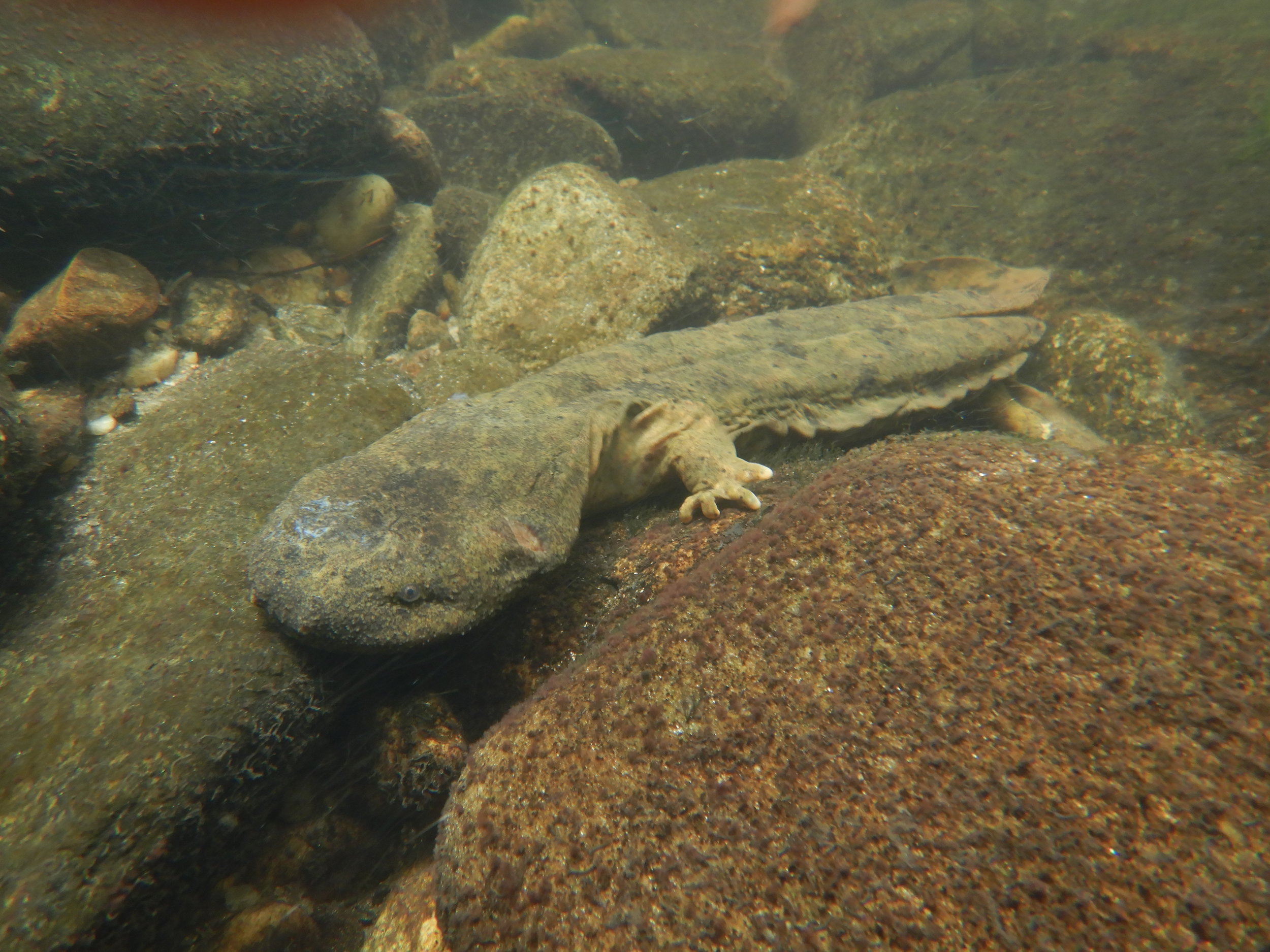
Saving the Hellbender
The giant salamander is a crown jewel of Appalachia, but many populations are in decline. Scientists are working to find out why, before it's too late.
Read more at The Scientist: Saving the Hellbender, a Giant Salamander Under Threat.
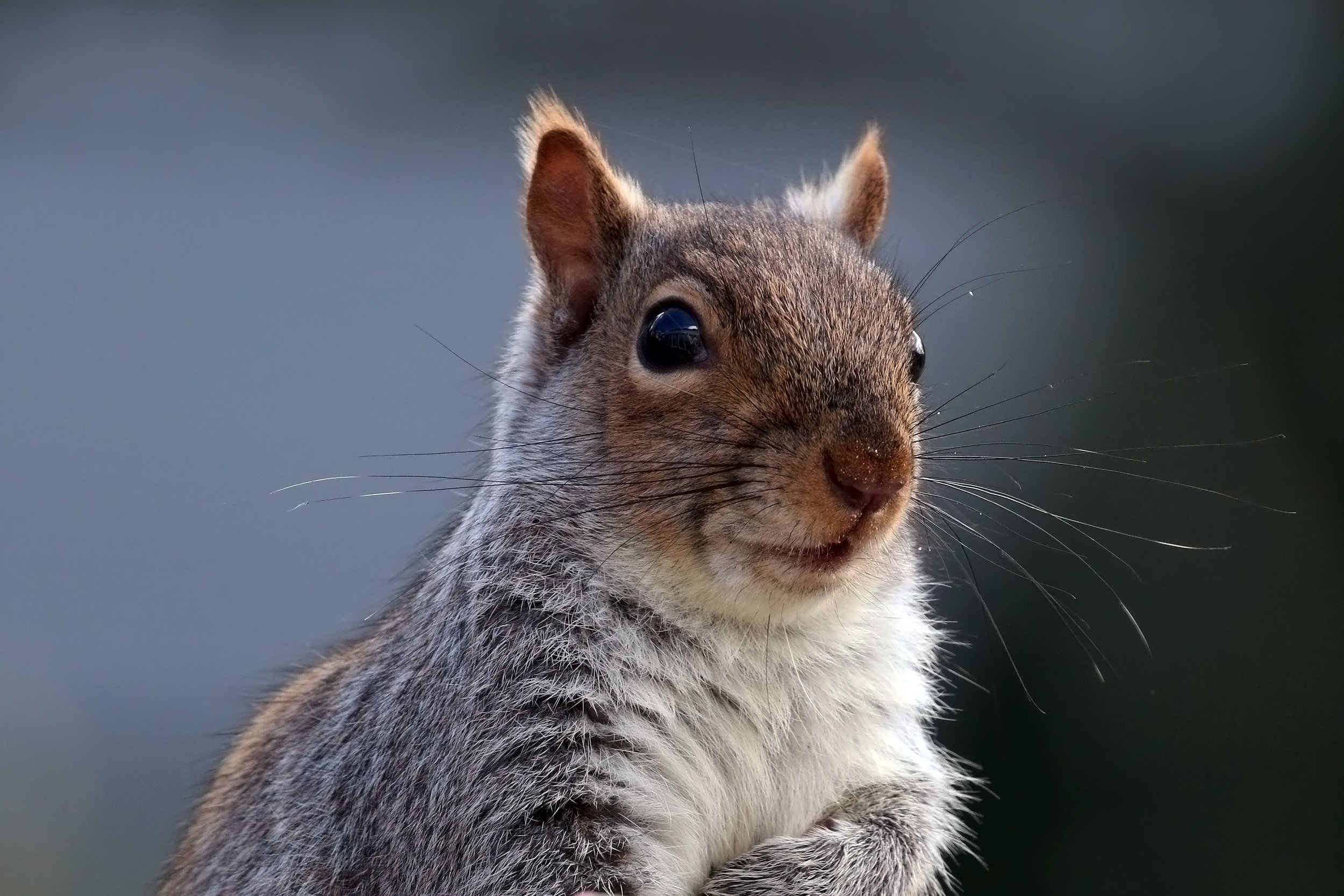
Eavesdropping Squirrels
Eastern gray squirrels listen in to birds’ conversations for cues about nearby predator risk, according to a new study from Oberlin College. Researchers found that hearing casual bird chatter after a predator call signals safety to squirrels.
Read more on my Animal Minds blog: Squirrels Eavesdrop on Bird Chatter as Sign of Safety.
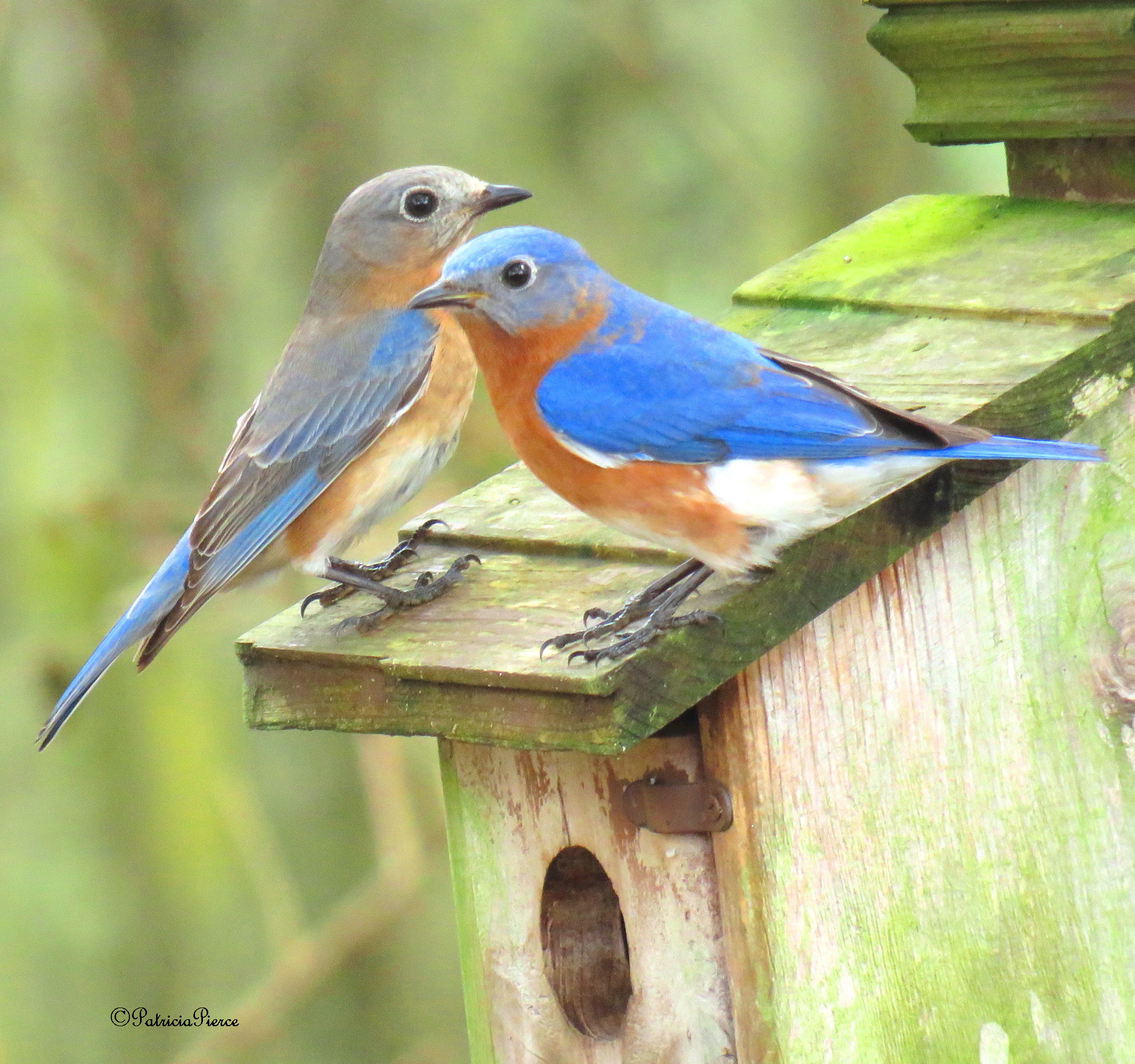
Female Birds Sing, Too
Though understudied, female birdsong is relatively common, even in songbird species in north temperate regions. In a new study, researchers looked at why female eastern bluebirds sing -- to maintain and strengthen the bond with their mates.
Read my latest Animal Minds blog post: Why Do Female Birds Sing?
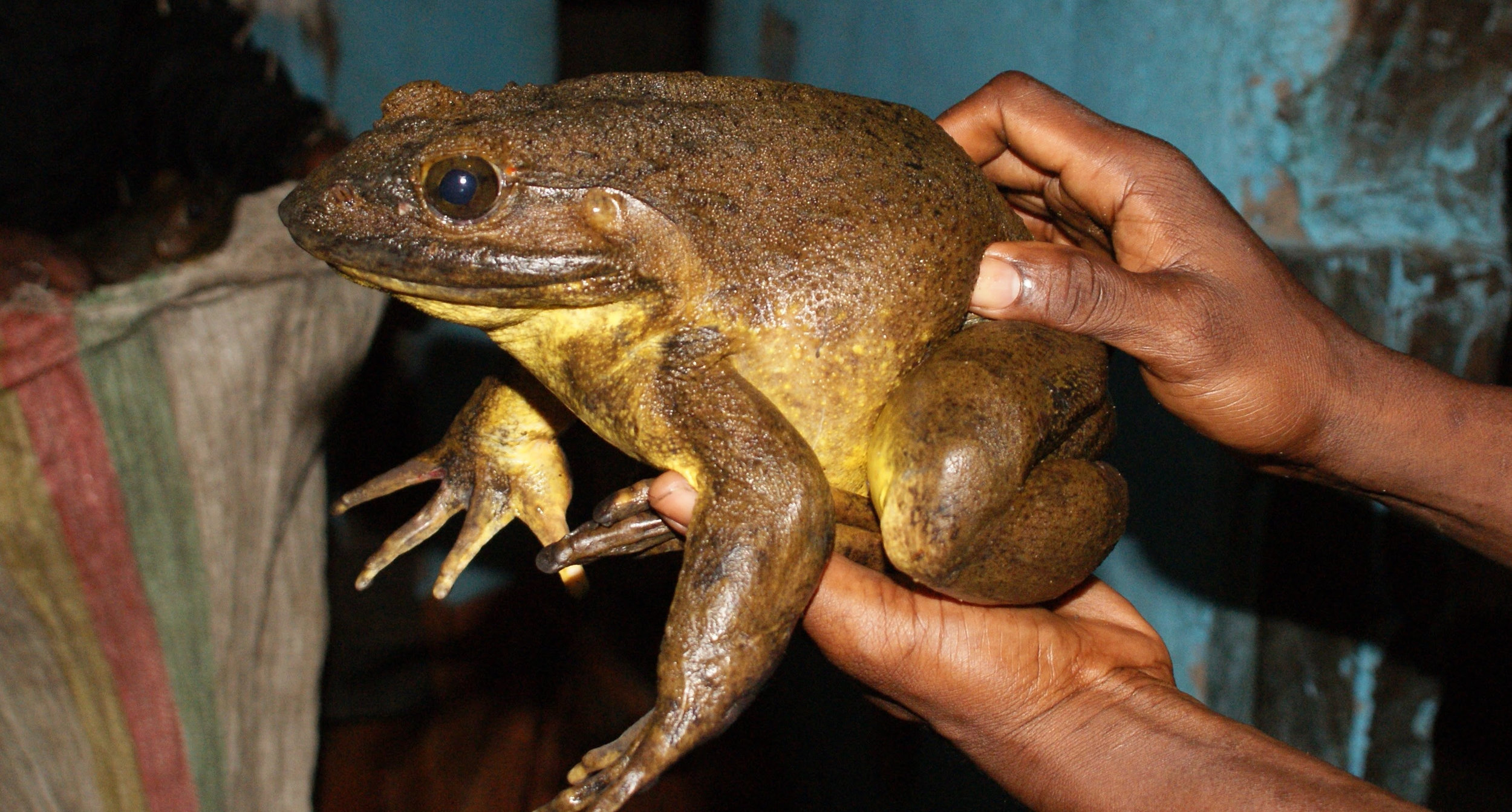
Goliath Frog Parenting
Researchers describe the first example of nest-building in an African amphibian, the Goliath frog, and suggest it's why they grow so gigantic.
Read my latest Animal Minds post: Giant Frogs are Attentive Parents.

Robotic Pets: A Senior's Best Friend?
We are in the midst of a demographic phenomenon known as the graying of society. In more affluent countries, the population is aging. This demographic shift, along with a shortage of health care personnel, has led to increasing demand for new technologies that can assist the elderly in their daily lives. One result is a growing menagerie of robotic pets designed to address the companionship needs of older adults. Who are robotic pets for and what can they do?
Read my latest story for IEEE Pulse magazine: Robotic Pets: A Senior's Best Friend?