
Americans are Sitting More, Despite Health Risks
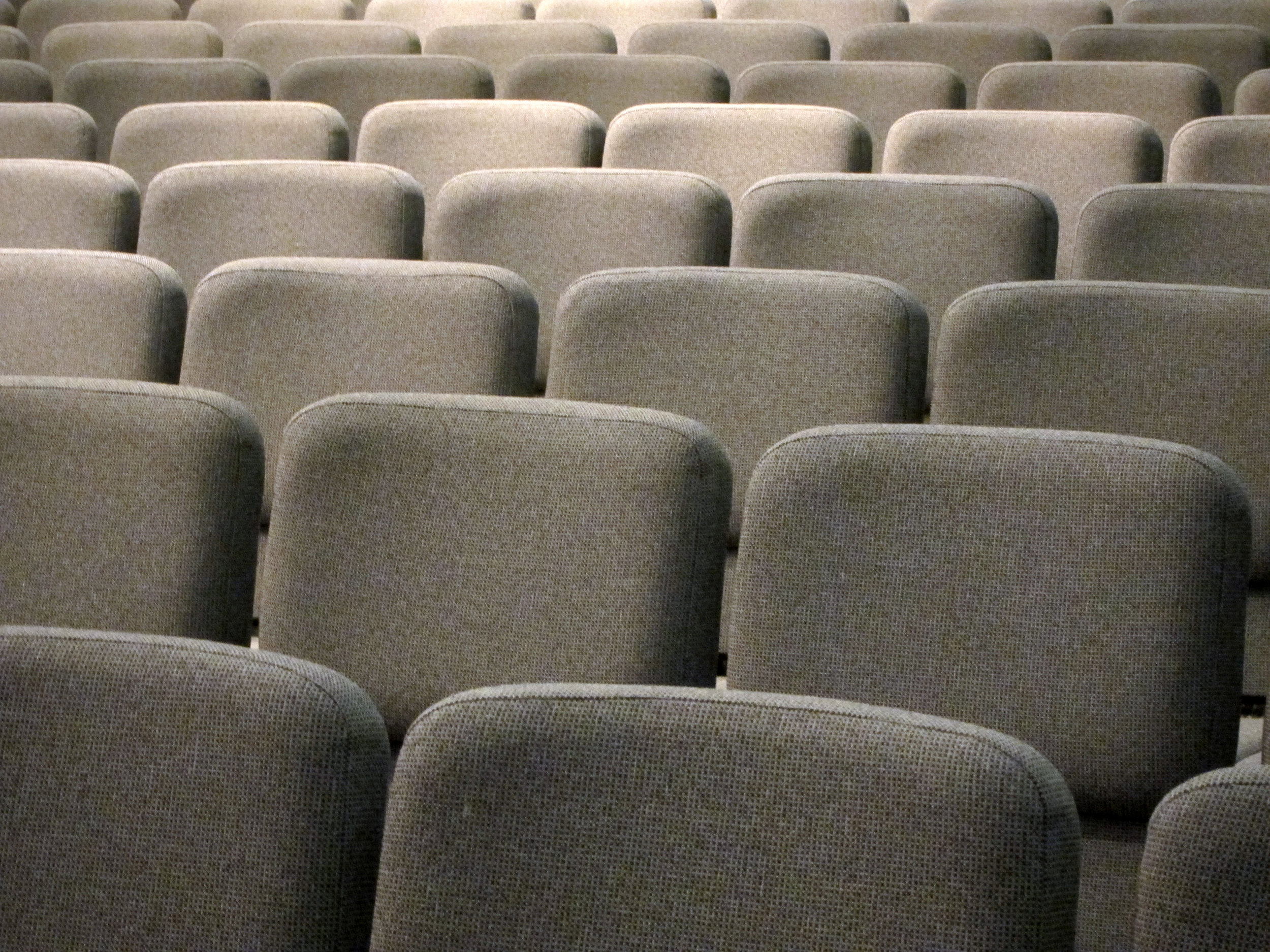
You might want to take this news standing up. A national survey shows that Americans of all ages are spending more time sitting. Research suggests that sitting for a long time, especially when watching television or videos, may be bad for your health. More time sitting has been linked to diseases like diabetes and cancer. It’s also tied to an increased risk for mental health issues like anxiety and depression.
Check out my first story for Science News for Students: New Risk From Too Much Screen Time.
Social Isolation Destroys Wasps' Ability to Learn Faces
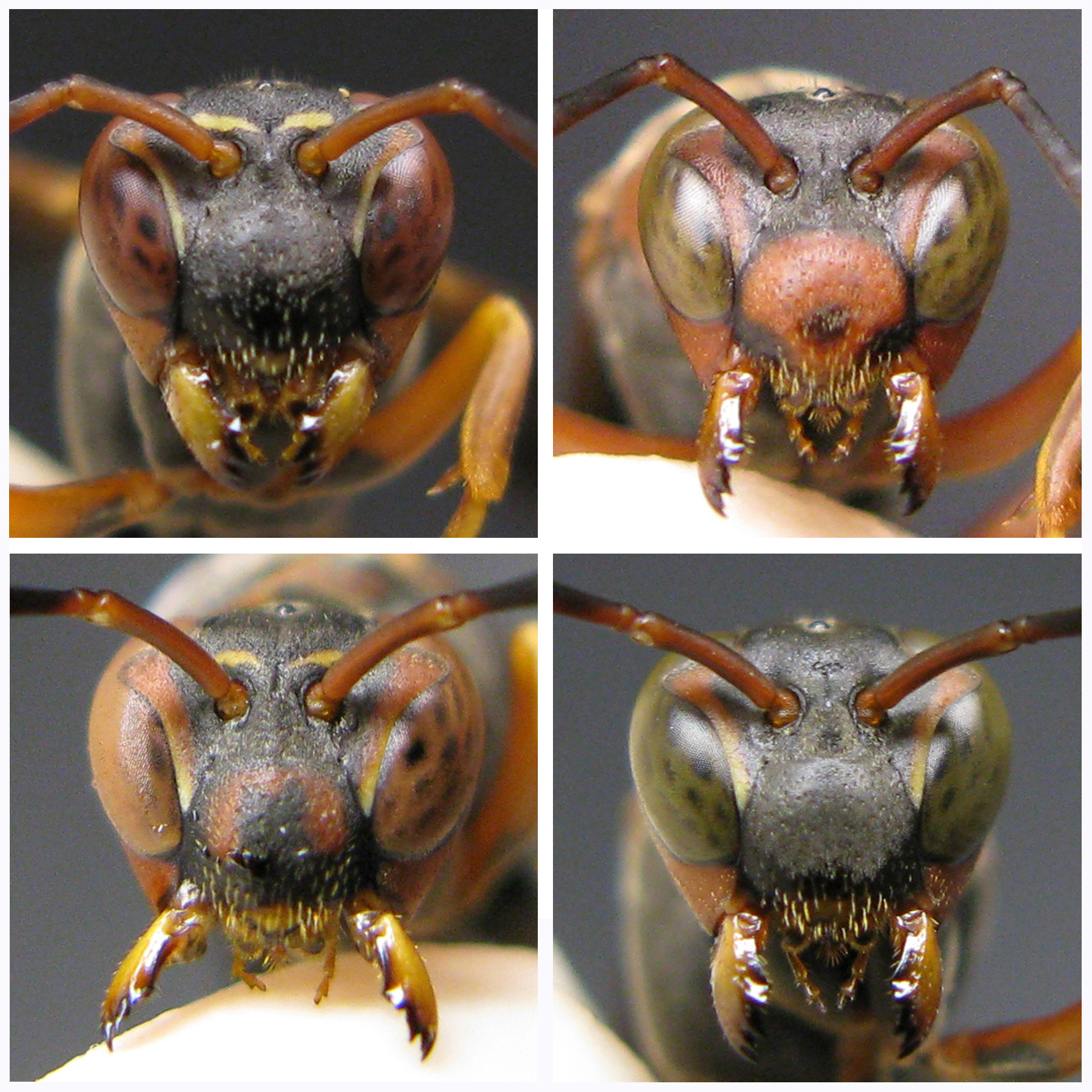
The golden paper wasp has the unique and specialized ability to recognize the individual faces of other wasps. But without social experience, this ability is decimated.
Read more at my Animal Minds blog: Social Isolation Destroys Wasps' Ability to Learn Faces
Health Care Chatbots
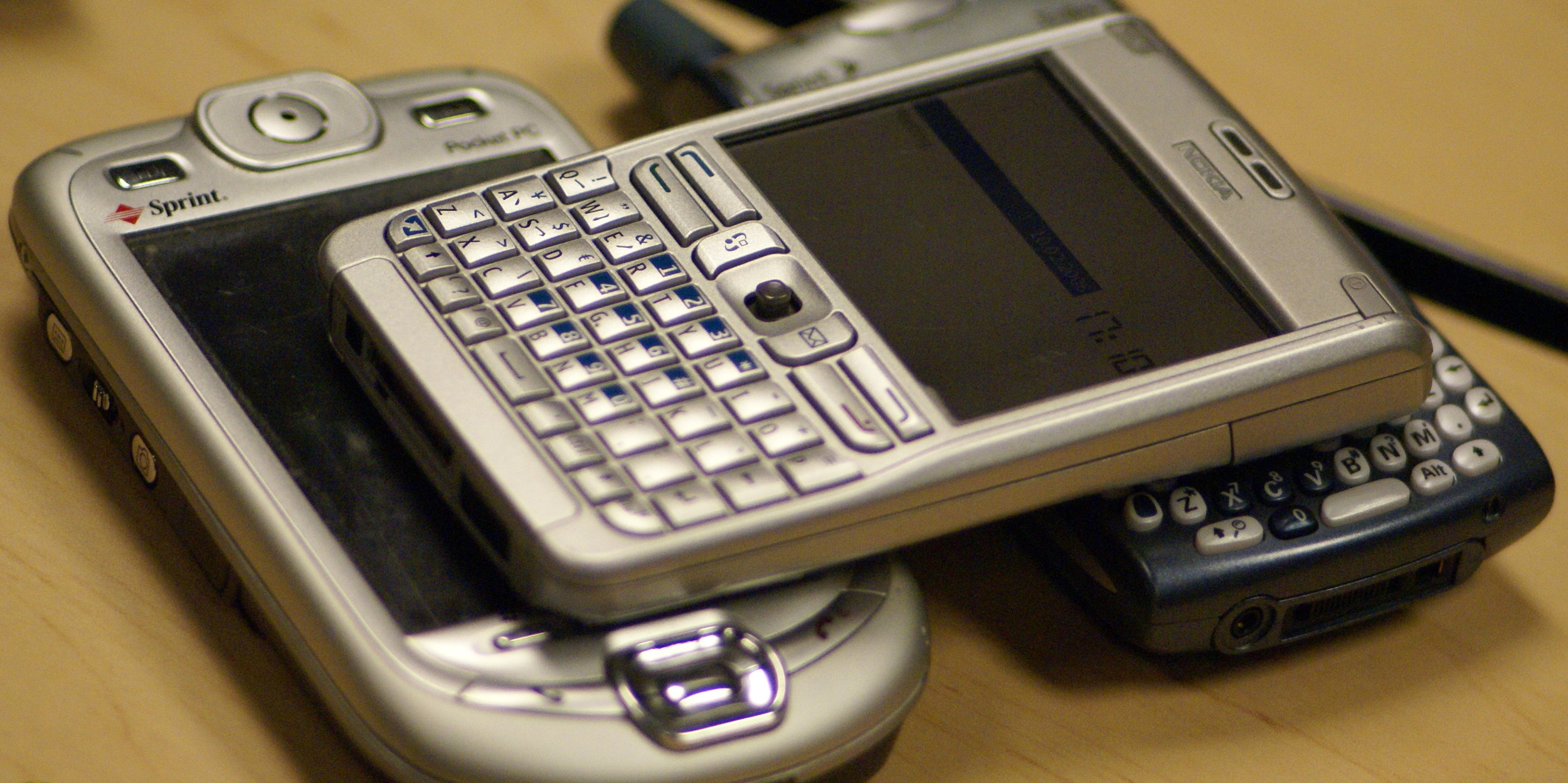
Chatbots are computer programs designed to carry on a dialogue with people, assisting them via text messages, applications, or instant messaging. Essentially, instead of having a conversation with a person, the user talks with a bot that’s powered by basic rules or artificial intelligence. Chatbots are already widely used to support, expedite, and improve processes in other industries and now the technology is gaining traction in health care, where it is helping patients and providers perform myriad tasks.
Read the whole story at IEEE Pulse: Health Care Chatbots Are Here to Help.

Narrowing Gender Gap in Youth Suicides
Recent data from Nationwide Children's Hospital show a disproportionate increase in the suicide rate among female relative to male youth, highlighting a significant reduction in the historically large gap in suicide rates between sexes.
Read more on the study here: A Narrowing Gender Gap in Youth Suicides.
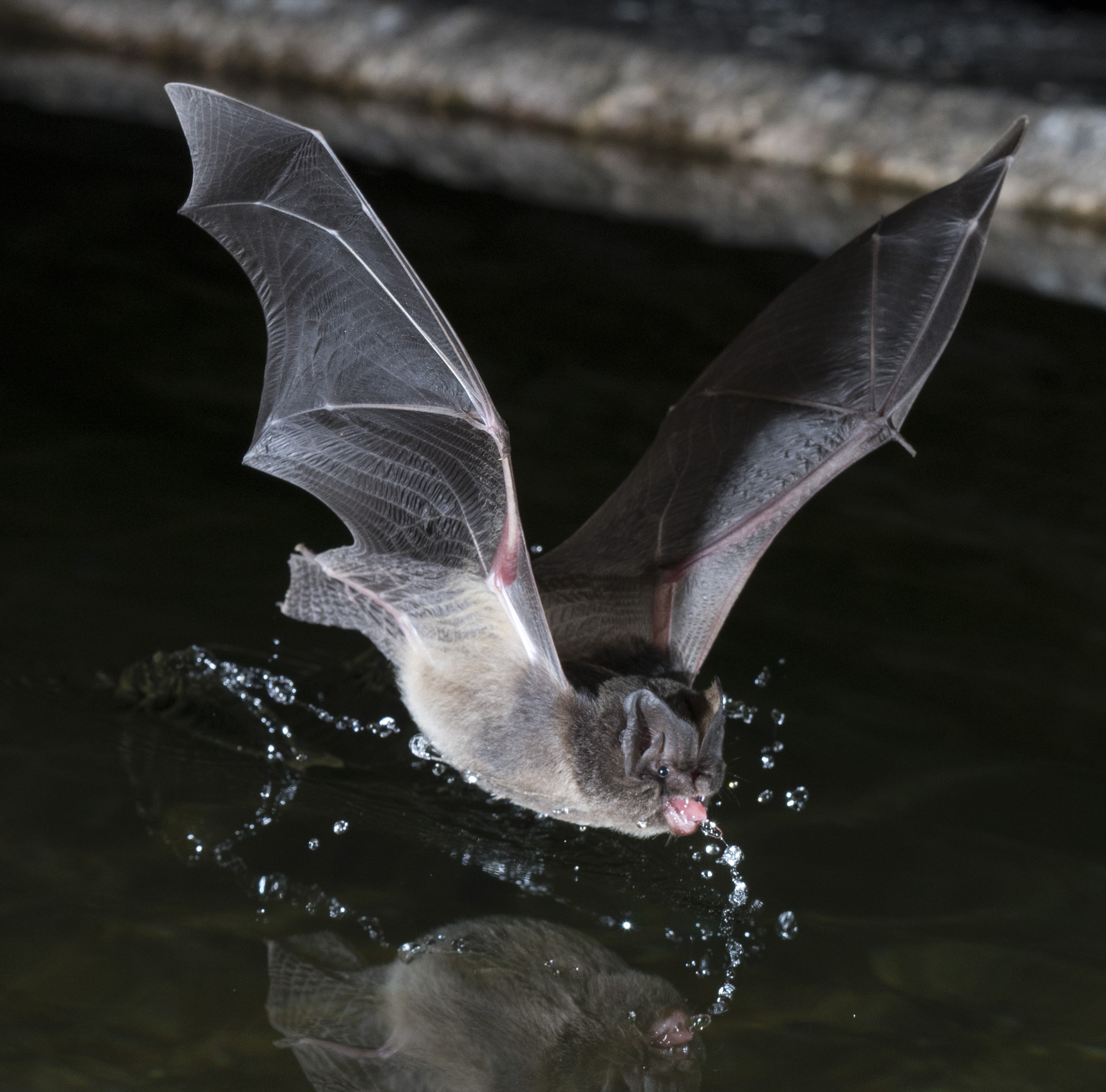
Artificial Lights and Bat Drinking Behavior
Darkness is a diminishing natural resource. Over the last hundredyears, human development and urbanization have changed the nocturnallandscape, making the nighttime sky 20 percent brighter.
This is bad news for nocturnal animals like bats, which depend on the protection offered by darkness. In my latest Animal Minds blog post, I take a look at how artificial lighting affects bat drinking behavior.
Read the story here: Do Artificial Lights Cause Drinking Problems in Bats?