

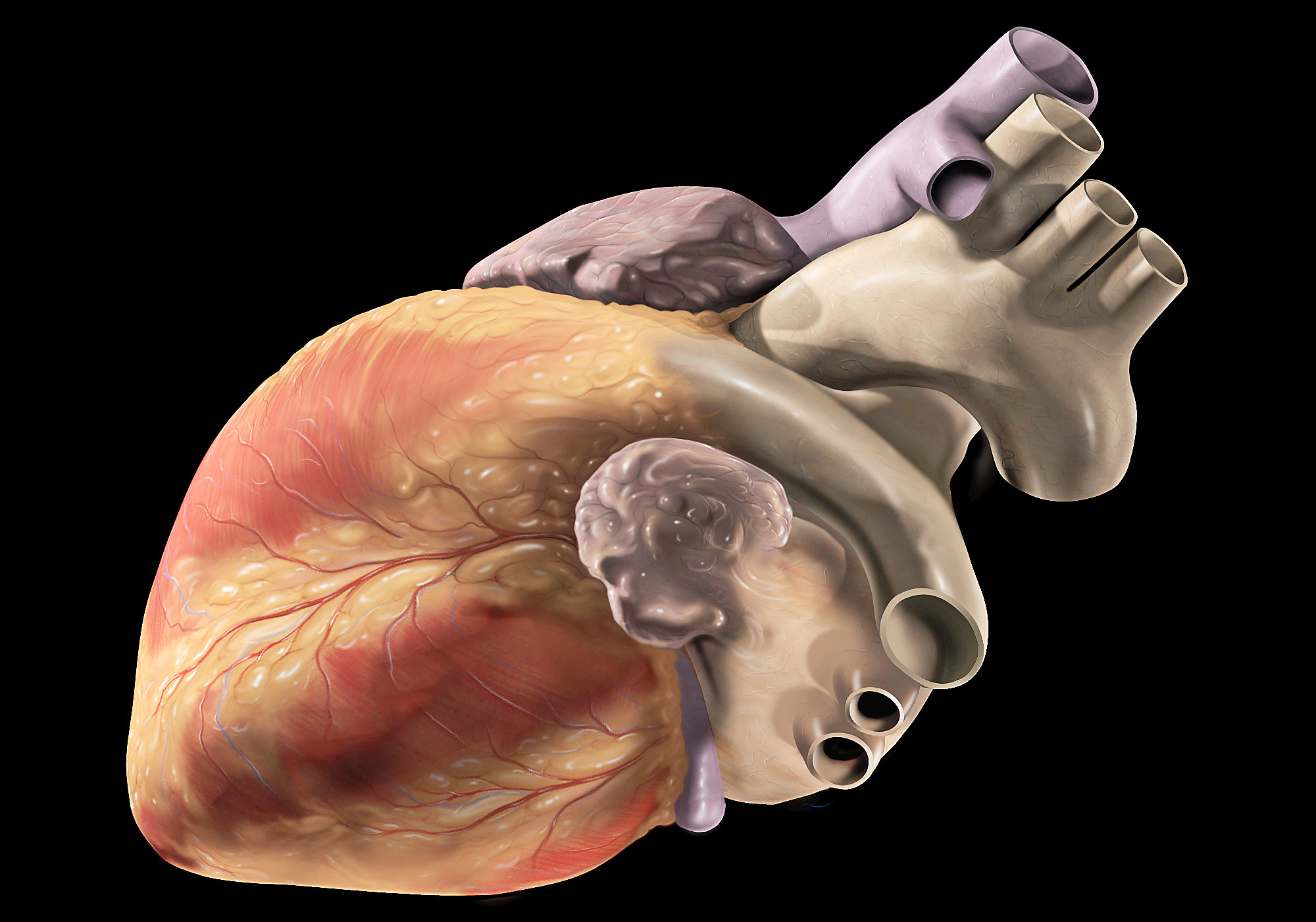
Congenital Heart Disease and Lapses in Care
Medical advancements over the past 20 years have allowed more people with congenital heart disease (CHD) to survive into adulthood. For these individuals, routine surveillance and follow-up care by a cardiologist are critically important. However, a new study shows lapse in care is prevalent among CHD survivors by age five, with nonwhites demonstrating elevated risk. Medicaid patients and those with less severe diagnoses also had an increased risk for lapse in care.
Read more at Pediatrics Nationwide: Keeping Young Patients with Congenital Heart Disease Connected to Care.
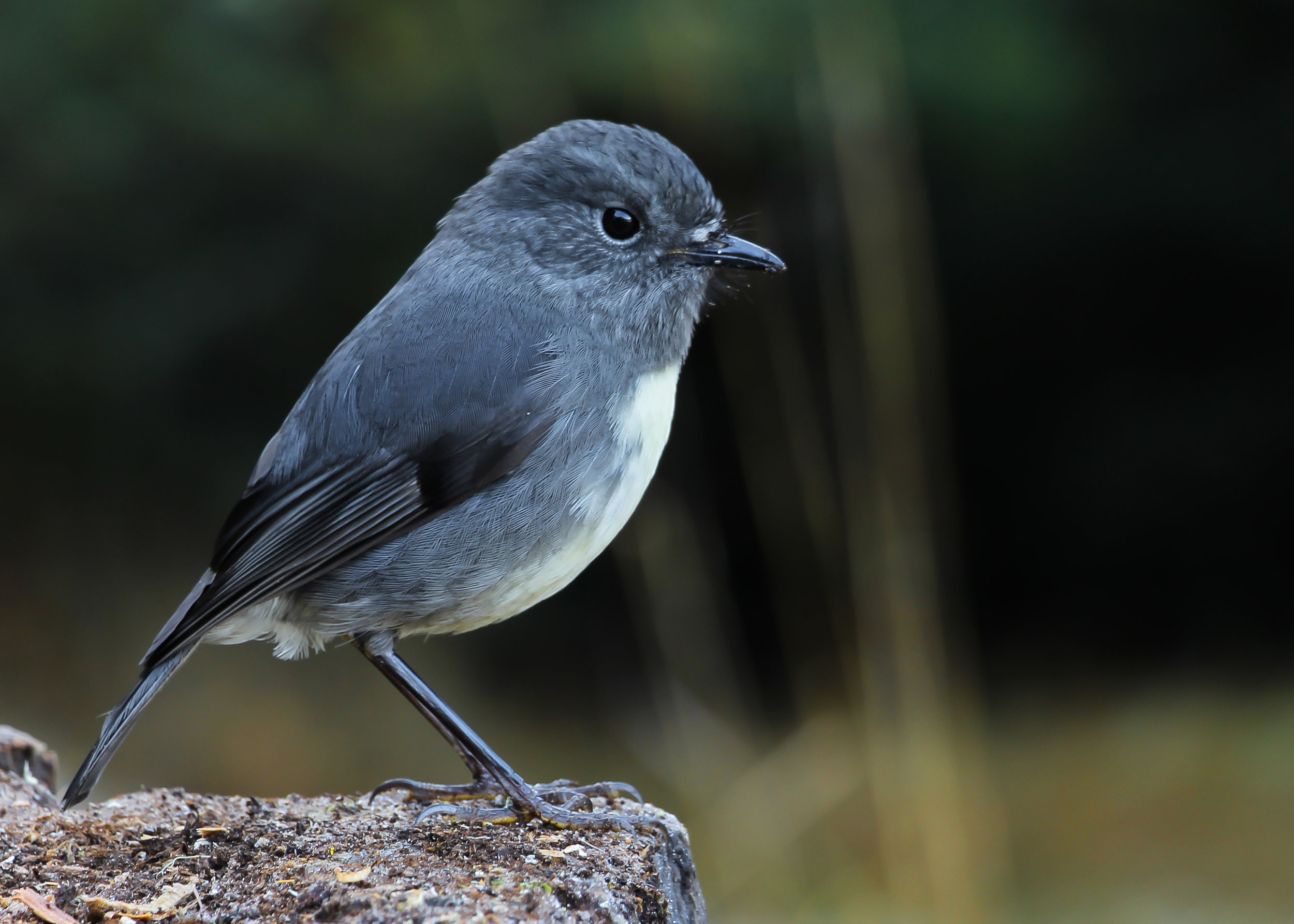
When Animals are Both Defended and Defenseless
It sounds like a good conservation strategy: If a native species is being killed by invasive predators, move the native species to a predator-free sanctuary where their numbers can recover. However, a new paper suggests this approach could result in problems if the native species ever faces their invasive foes again.
Read my latest Animal Minds blog post to see how this played out in New Zealand robins: When Animals are Both Defended and Defenseless.
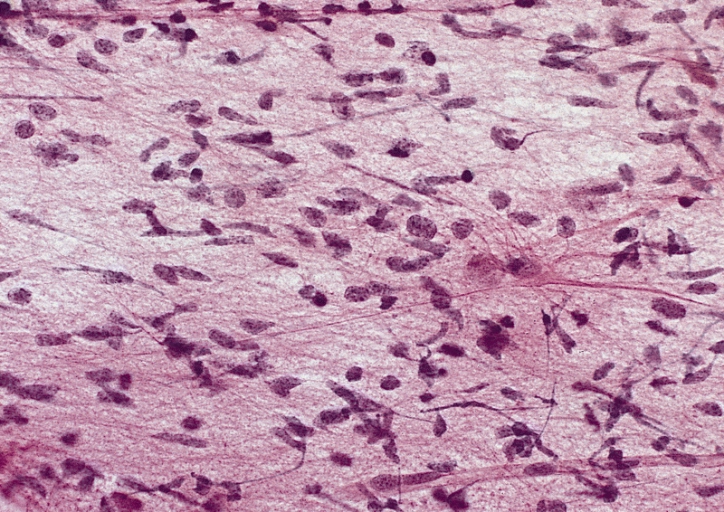
New Brown Alum Profile: Andrew Beck
Brown alum Andrew Beck believes that pathology will be one of the first areas of medicine to benefit greatly from artificial intelligence. He is so sure of AI’s promise that, in 2017, he left a tenure-track position at Harvard to start his company, PathAI.
Read more from the Brown Alumni Magazine: Pathology Breakthrough?
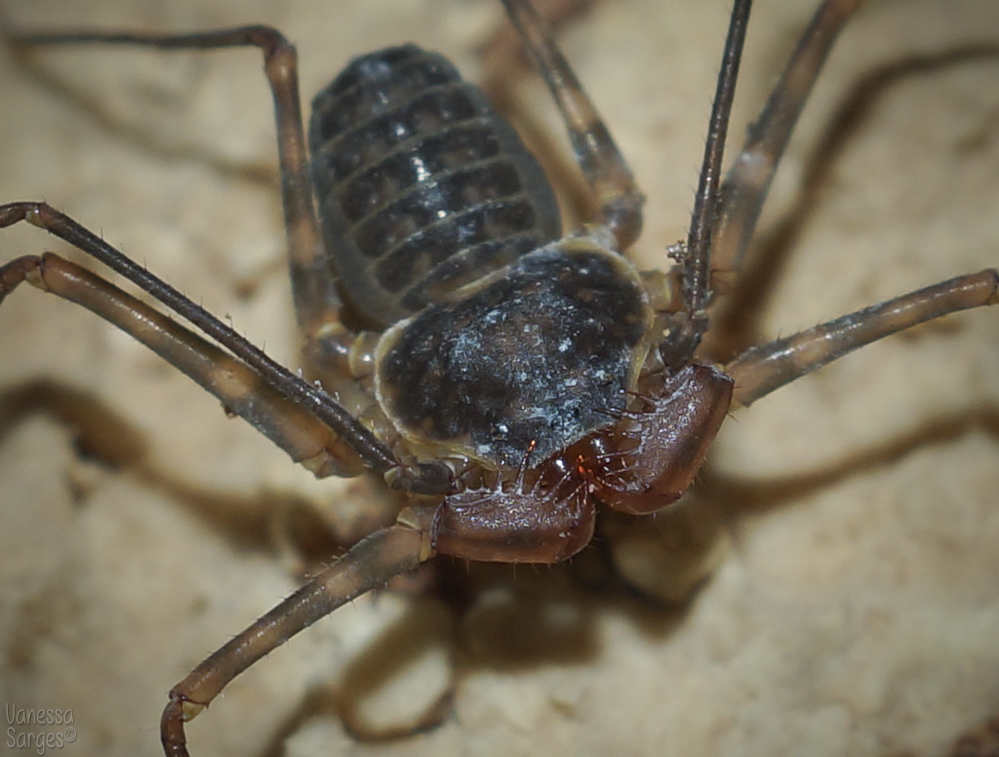
How Whip Spiders Smell Their Way Home
Whip spiders, or amblypygids, are arachnids, but only six of their eight legs are for walking. The front two are elongated sensory structures that process, among other things, smells. Whip spiders use these sensory legs to sniff their way back home after a night of hunting.
Read all about it in my latest Animal Minds post: The Arachnid That Smells With Its Legs
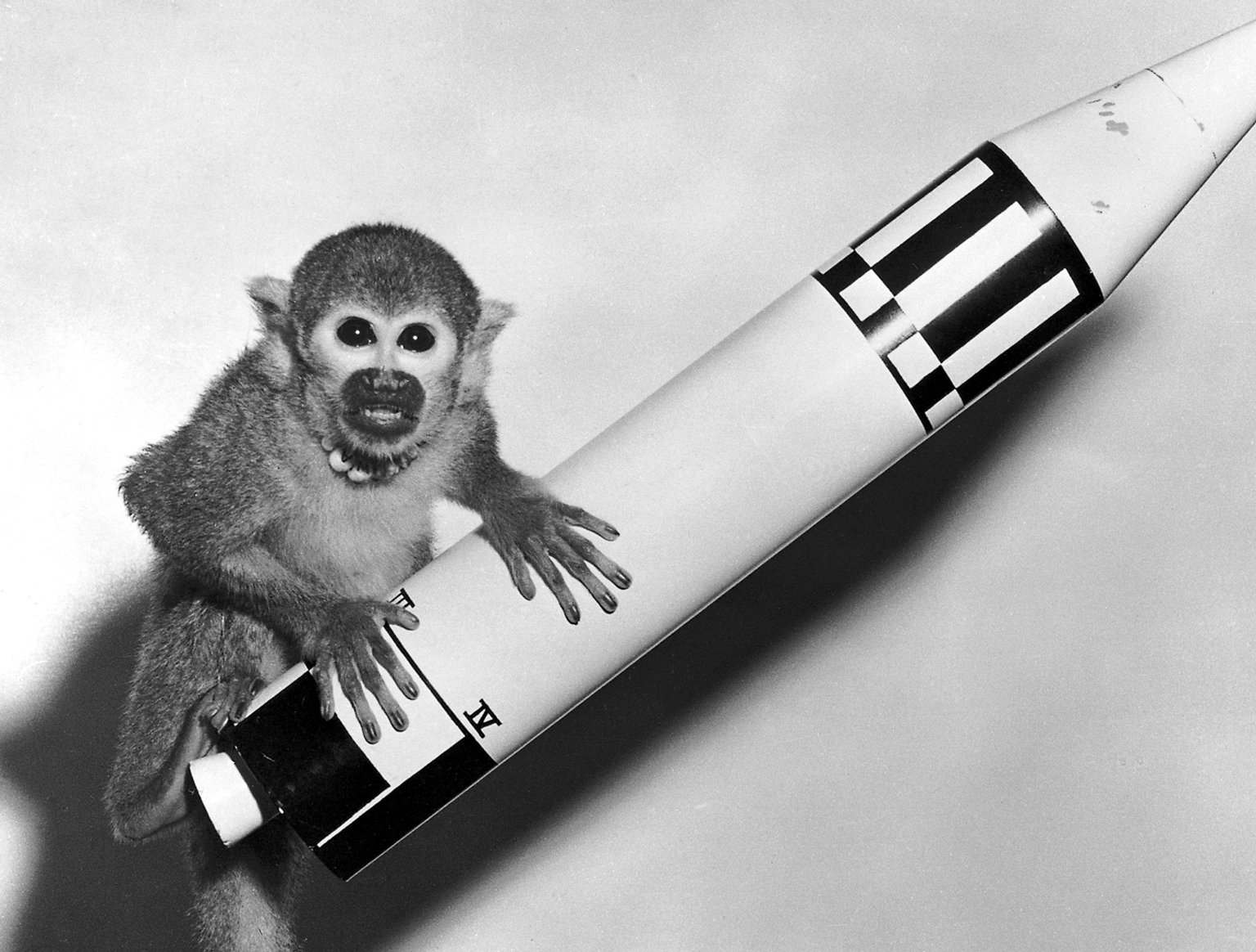
Animals in Space
Animals have played a key role in determining the safety and survivability of spaceflight. At first, animals were used to test the effects of weightlessness and the feasibility of sending a living being into space and returning it unharmed. Later, as spaceflight programs evolved and matured, scientists launched animals into space to study the effects of microgravity and spaceflight on various biological processes.
Check out my latest for Muse magazine is a timeline of animals in space.