

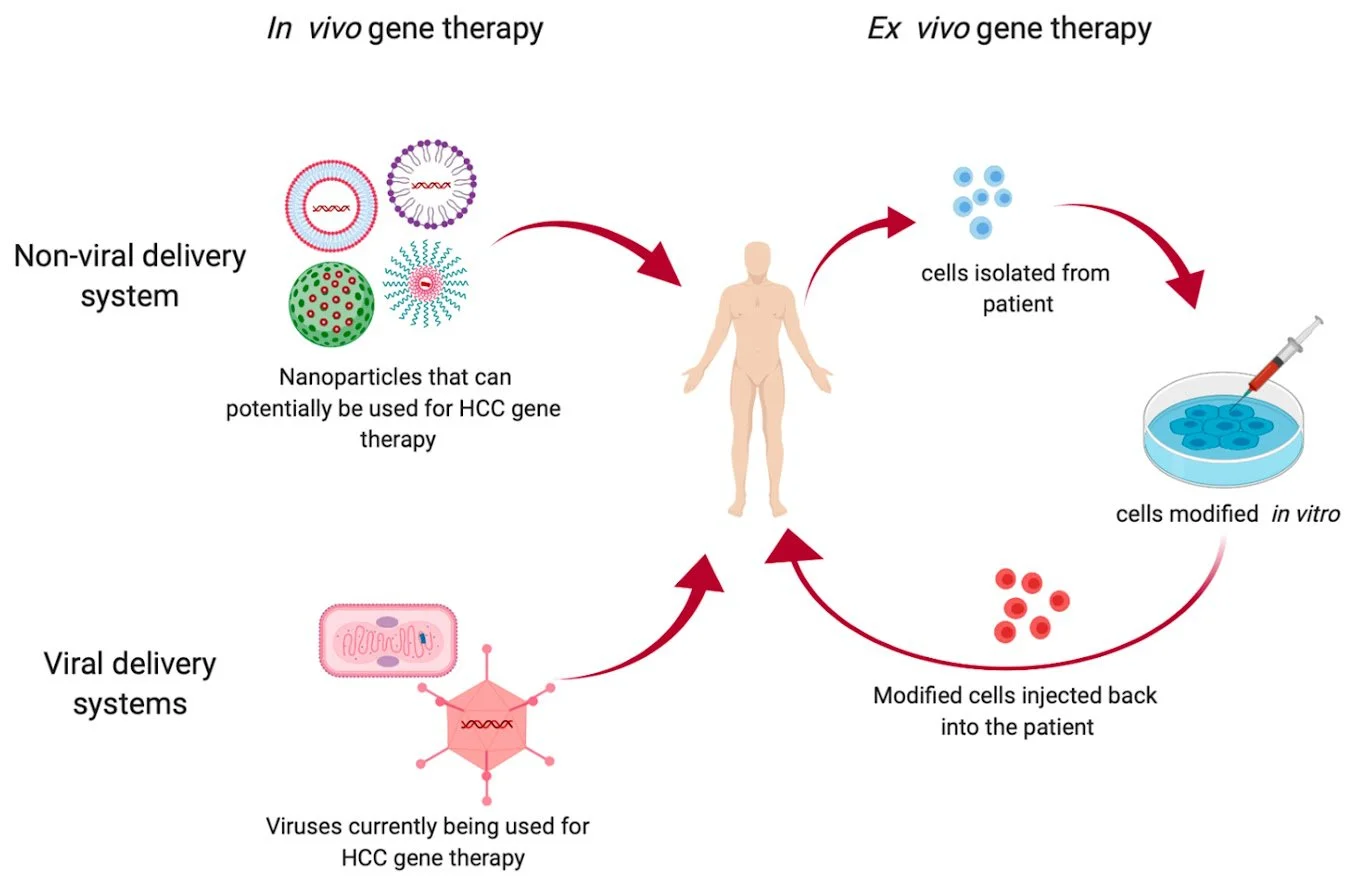
Gene Therapy
Scientists first proposed treating disease by changing the DNA in a person’s cells nearly 50 years ago. Today, the promise of gene therapy is beginning to be realized. Currently, there are nearly 20 gene therapy medicines approved by the FDA and over a thousand registered clinical trials involving gene therapy. With robust and predictable NIH funding, these numbers will continue to grow.
Read more in my fact sheet for the American Society of Human Genetics: Gene Therapy: From Fundamental Research to Clinical Success.

Fetching Felines
Does your cat play fetch? A new survey suggests the behavior might not be uncommon, but also that each cat may have their own individual play preferences.
Read more at my Animal Minds blog: Cats Play Fetch, Too.

Longer Commutes to Court Cause Evictions
Researchers investigated the role of transportation to court in default judgments against renters. They found that renters with longer travel times to court are more likely to receive judgments in favor of their landlord, which often lead to eviction.
Read the Science Journal for Kids article: How does your address affect your chances of being evicted?

Dolphins’ Electric Sense
Even buried in the ocean floor, fish may not stand a chance against a hungry bottlenose dolphin. Dolphins have keen vision, an exceptional sense of hearing—and they can sense electric fields emitted by their prey, according to new research.
Researchers at Nuremberg Zoo and University of Rostock, Germany teamed up to find out just how sensitive these marine mammals are to electric fields. The results may explain how dolphins detect hidden fish at close range and even provide clues as to why the animals sometimes strand themselves on beaches.
Read the whole story at my Animal Minds blog: Bottlenose Dolphins Sense Electricity.

Sex Bias in Research
The lack of female representation in preclinical biomedical research has resulted in gaps in our medical knowledge, with important consequences for women’s health. In the past decade, efforts to remedy this historic exclusion have increased, but opportunities remain to make basic biomedical research more equitable, reproducible, and applicable to all people.
Read my latest article for IEEE Pulse: Considering Sex in Biomedical Research.