

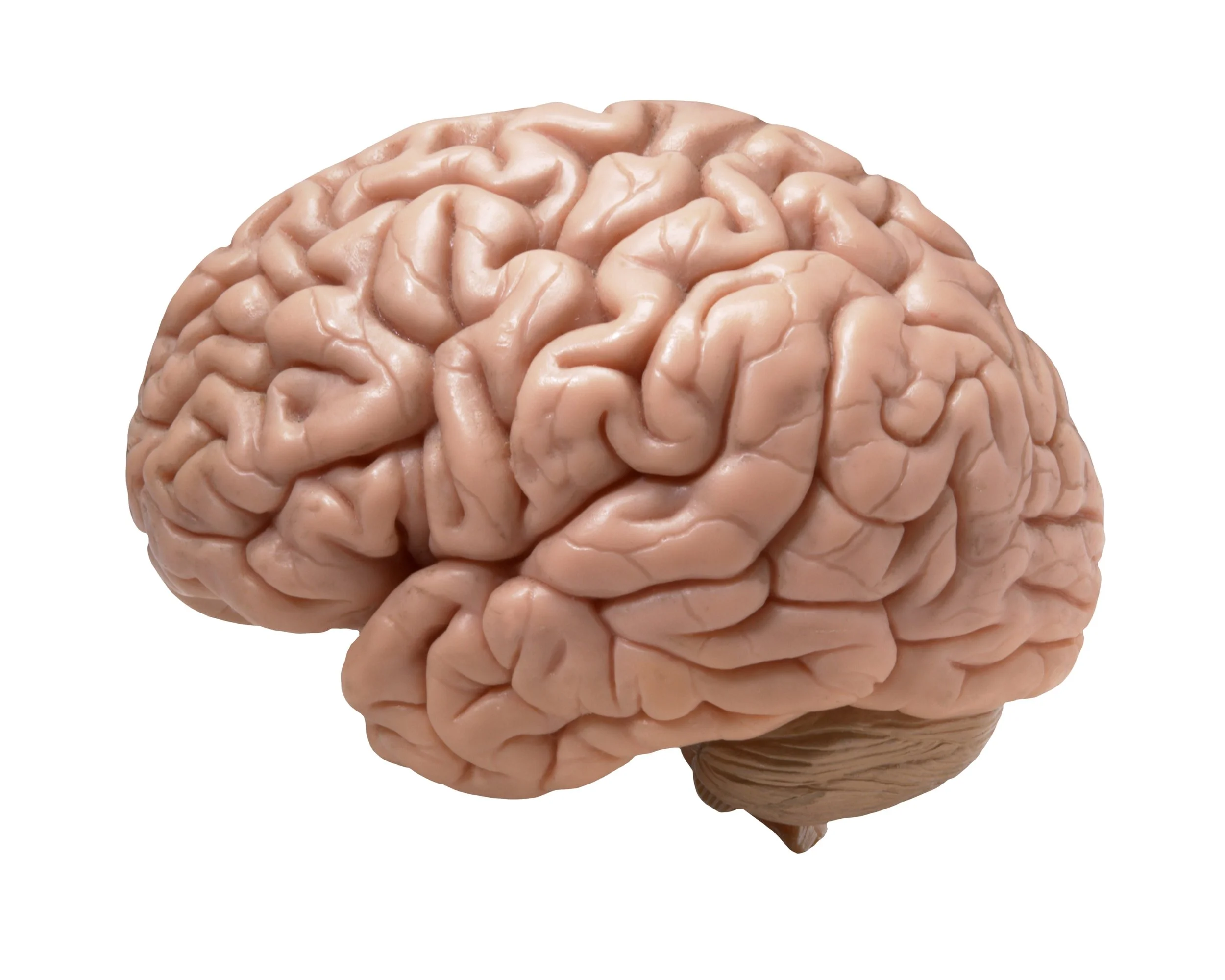
Functional Neurological Disorders
Functional neurological disorders are a collection of disorders in which patients experience neurological symptoms, such as numbness, weakness, seizure-like events, or abnormal gait or movements, but without a visible underlying pathology. Underlying mechanisms for these disorders are incompletely understood but the prevailing theory is that the symptoms are related to psychological factors.
Read more about how these disorders are diagnosed and treated at Nationwide Children’s Hospital: Functional Neurological Disorders: What Pediatric Neurologists Should Know.
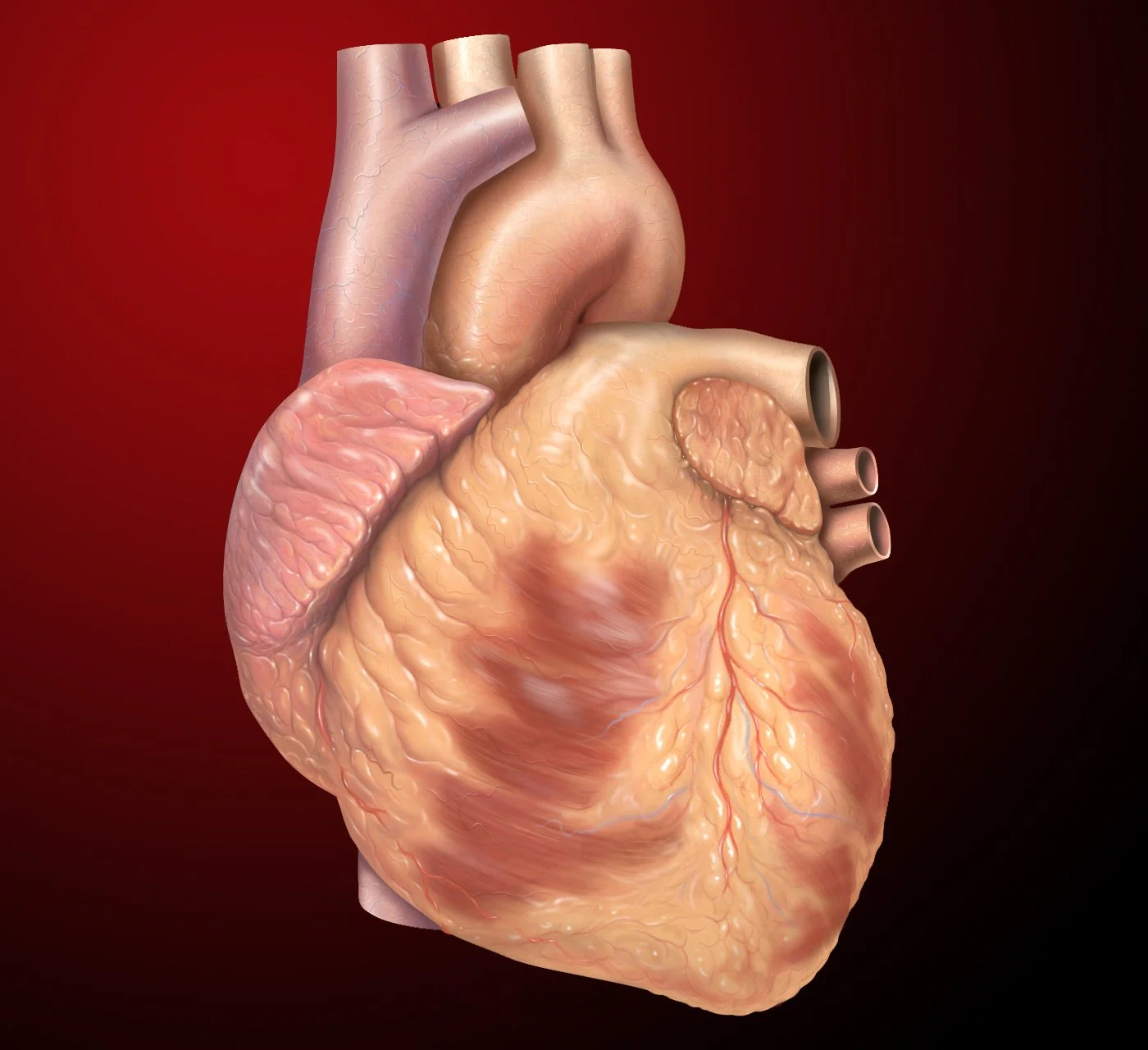
Cardiac Care in Duchenne Muscular Dystrophy
Cardiac disease is a major cause of mortality in Duchenne muscular dystrophy (DMD), yet data regarding outcomes and cardiac disease progression are lacking. This has led to a highly variable approach to heart failure therapy in DMD from center to center, according to a new report that surveyed pediatric cardiologists within the Advanced Cardiac Therapies Improving Outcomes Network (ACTION), a multicenter heart failure quality improvement network.
Read more at Pediatrics Nationwide: Variability in Cardiac Diagnostics and Therapies for Patients with Duchenne Muscular Dystrophy.

Do Dolphin Signature Whistles Function as Names?
It was not known whether dolphins could use signature whistles the way that humans use names; that is, as a representational label (a call that can stand in for an object the way a noun can in our language). So, in a new cross-modal experiment, researchers tested if dolphins could recognize familiar individuals from their signature whistle and the taste of their urine.
Read more at my Animal Minds blog: Dolphins Label Their Friends with Names.

Kea Cognition and Conservation
New Zealand’s mountain parrot, the kea, is known for its curiosity and intelligence. Can an understanding of kea behavior and cognition be applied to their conservation in the wild?
Read the story at Animal Minds: How Can a Species’ Behavior Inform Its Conservation?

Diagnosing Electrical Status Epilepticus in Sleep
Electrical status epilepticus in sleep (ESES) is an electrographic pattern in which epileptiform activity is dramatically activated by sleep. The classic measure used to identify ESES is the spike-wave index expressed as a percentage. However, there is disagreement on the best way to quantify the sleep-activated epileptiform activity and the portion of sleep electroencephalogram (EEG) used for spike-wave index calculations. In a recent study, researchers from Nationwide Children’s demonstrated that the spike-wave index of the first 100 seconds of sleep can be a reliable tool for the diagnosis of ESES.
Read more about the study at Pediatrics Nationwide: A More Efficient Method for Diagnosing Electrical Status Epilepticus in Sleep?