


Mongooses Mind Others’ Manners
Humans have more in common with dwarf mongooses than you might think. Both species are highly social, living in complex groups. Both species use a variety of vocalizations to communicate. Now, field experiments show that dwarf mongooses are also like us in not appreciating bullies.
According to a study, dwarf mongooses identify and remember which groupmates picked fights with others during the day and later give those individuals the “cold shoulder” by grooming them less before bedtime.
Read more at The Scientist: Dwarf Mongooses Shun Bullies to Manage Conflict: Study.

Stress and Inflammatory Bowel Disease
In a new study, researchers at Nationwide Children’s Hospital tested whether exposure to stress would lead to flares of intestinal inflammation in a mouse model of inflammatory bowel disease. They found stress did not exacerbate colitis in the mice, though it did increase anxiety-like behavior.
Read more about the study here: Stress Increases Systemic Inflammation and Anxiety in Mouse Model of IBD.

Know Thyssself
What’s the best way of getting into the mind of an animal that lacks limbs? Ironically, it could be by putting ourselves into their shoes. In a recent study with common garter snakes, researchers tried to do just that. They found that snakes could discriminate their own chemical signature from that of littermates fed the same diet. The researchers say it’s a demonstration of self-recognition — a snake version of recognizing your mirror reflection. But not all scientists agree on how to interpret chemical mirror tests like this one.
Read the story at National Geographic news: Can Snakes Recognize Themselves?
Medicinal Venom
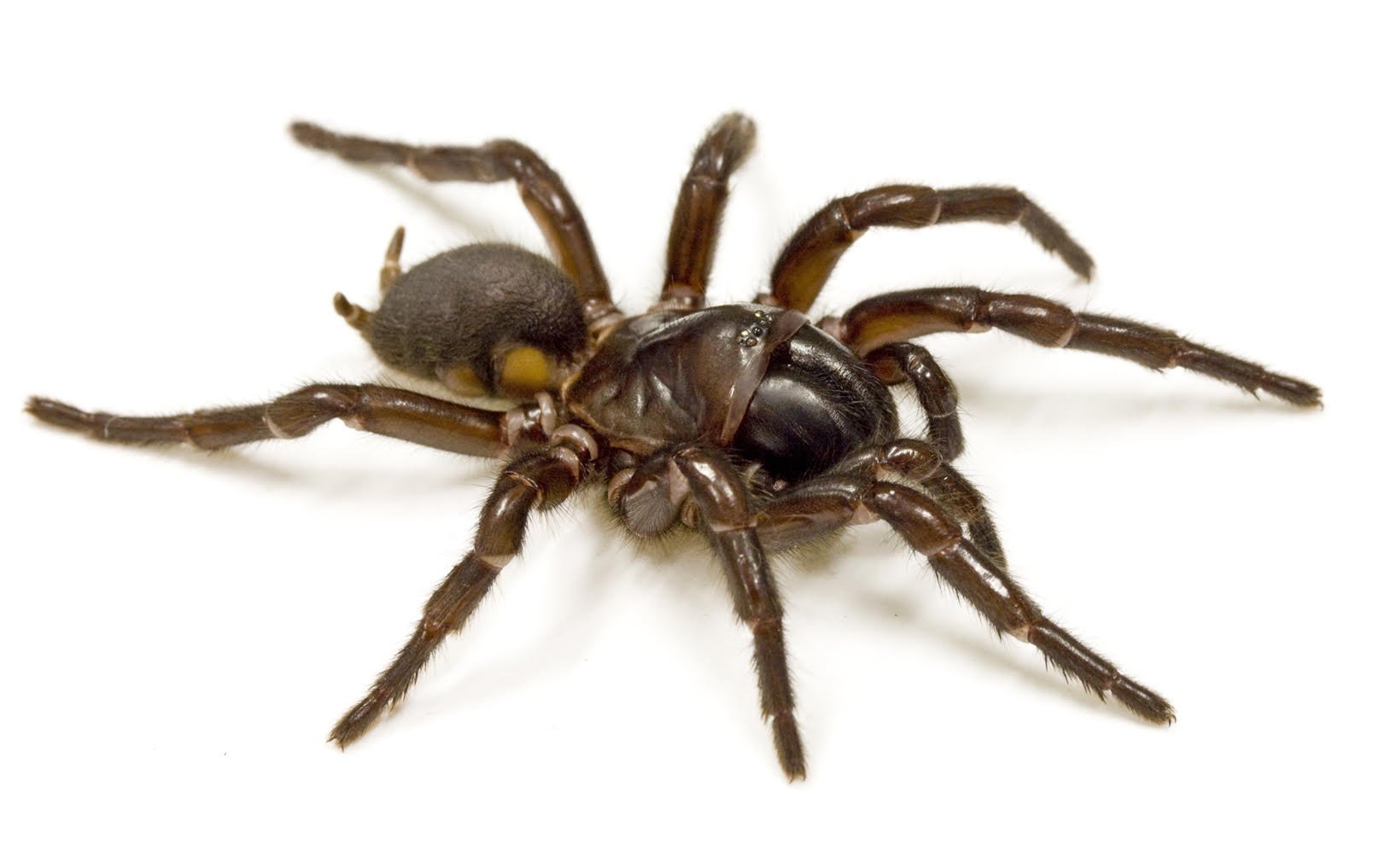
There are an estimated 150,000 animal species that have evolved venom. Some are familiar, such as snakes, bees, scorpions, and spiders. But there are also venomous lizards, sea anemones, cone snails, and even a few mammals, like the duck-billed platypus with its venom-bearing ankle spurs.
Comparatively few of the thousands of animal venoms that exist in nature have been analyzed for their potential medical value. Some venom-inspired medicines are already in use, and others show promise, for treating chronic pain, heart conditions, blood clots, diabetes, and more. Now, advances in technology are allowing scientists to discover and screen more venoms and use them to create something that heals, rather than kills.
Read the whole story at IEEE Pulse magazine: Venom-Inspired Medicine: Ancient Chemicals Offer Novel Solutions.

Engineering a Safer Ecosystem
When it comes to the battle between tiny rodents known as Brandt’s voles and carnivorous birds called shrikes, the birds may seem to have all the advantages. Shrikes, or butcherbirds, are capable of killing small animals like mice and lizards with a paralysis-inducing beak pinch to the spinal cord followed by vigorous shaking to break the prey’s neck. But new research shows the voles can fight back—by making their habitat a safe space.
Read the story at my Animal Minds blog: Voles Trim Grass to Thwart Flying Predators.